World Earth Day: KGHM volunteers planted thousands more trees at the Głogów Copper Smelter
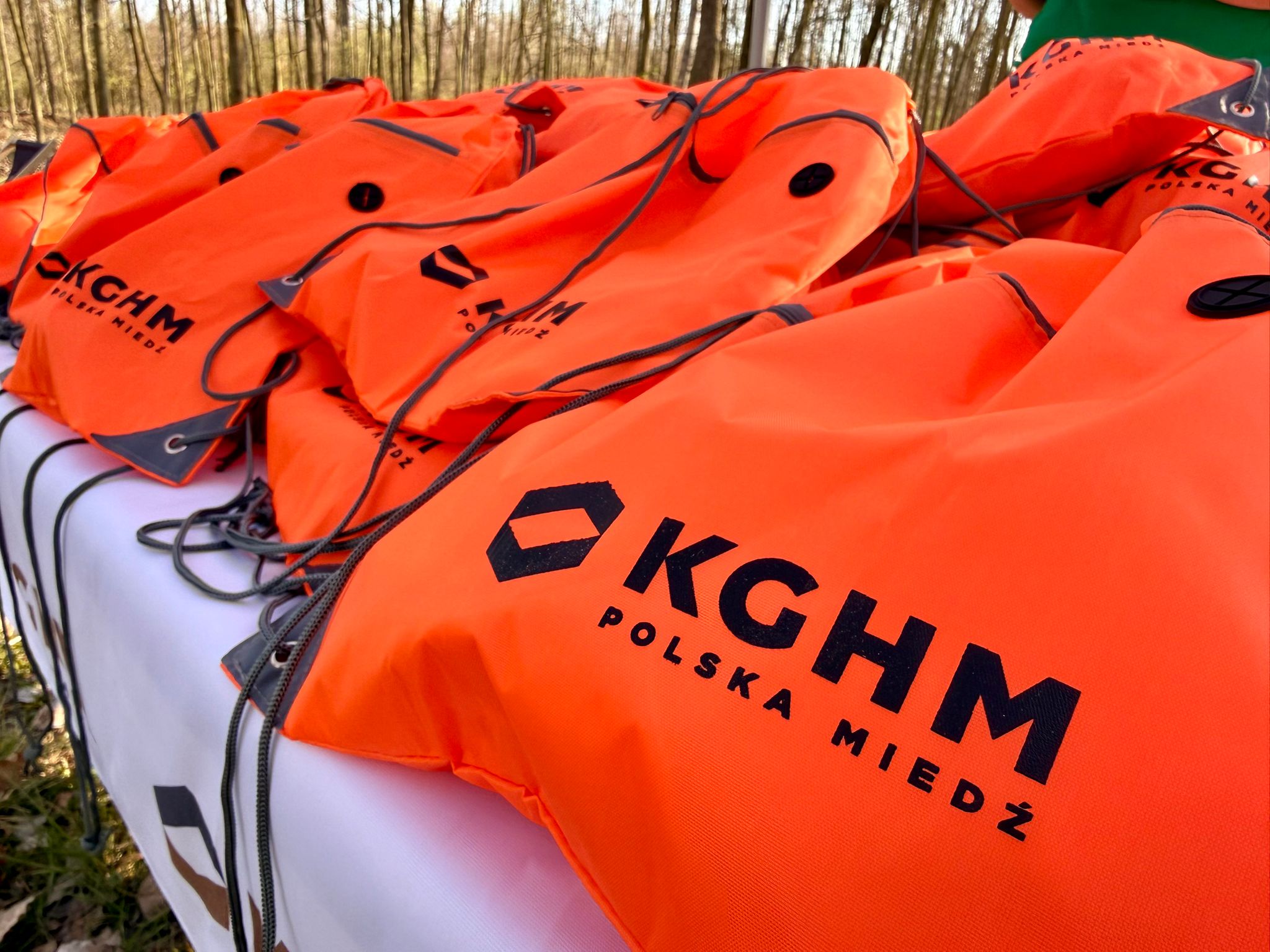
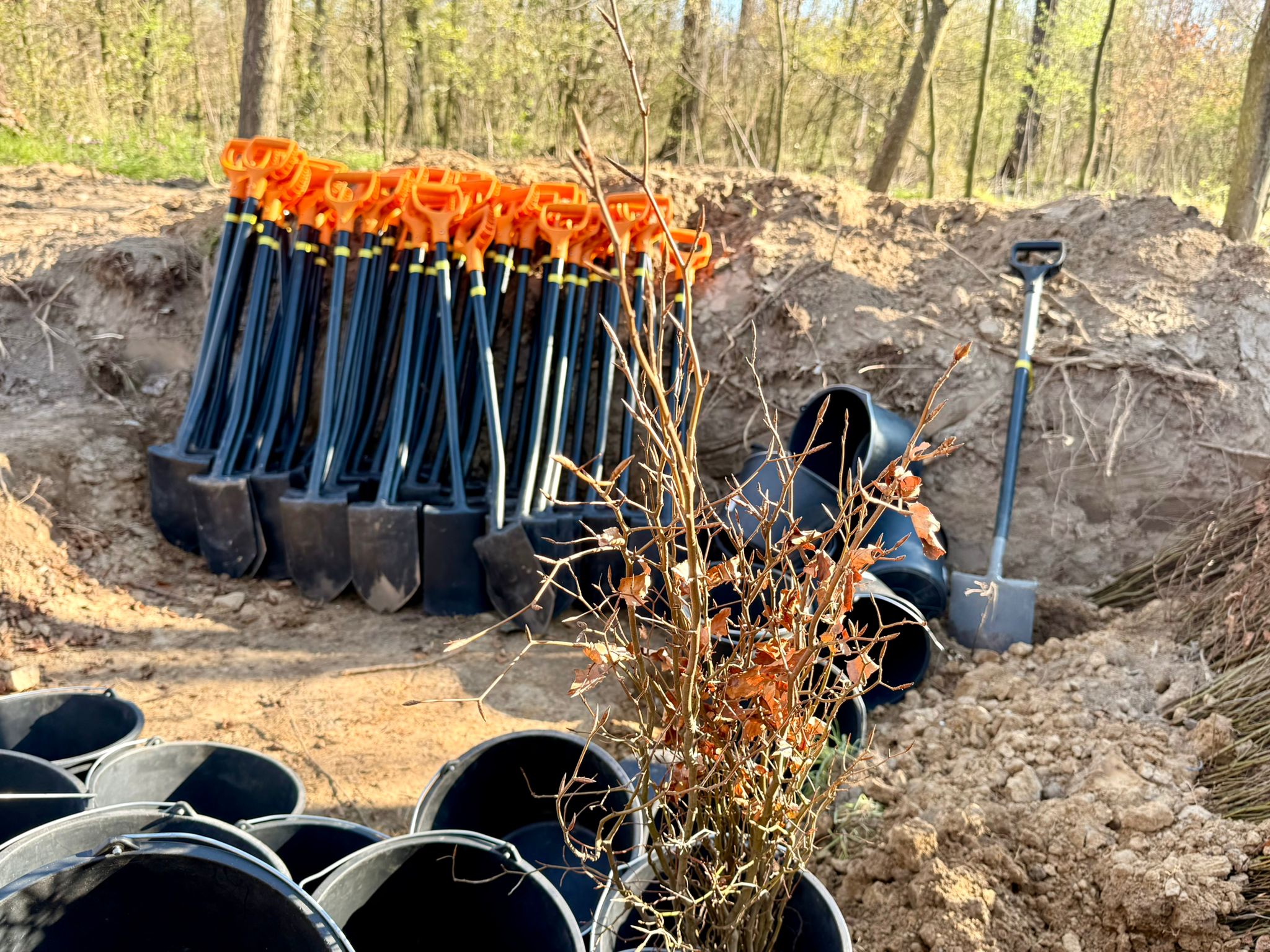
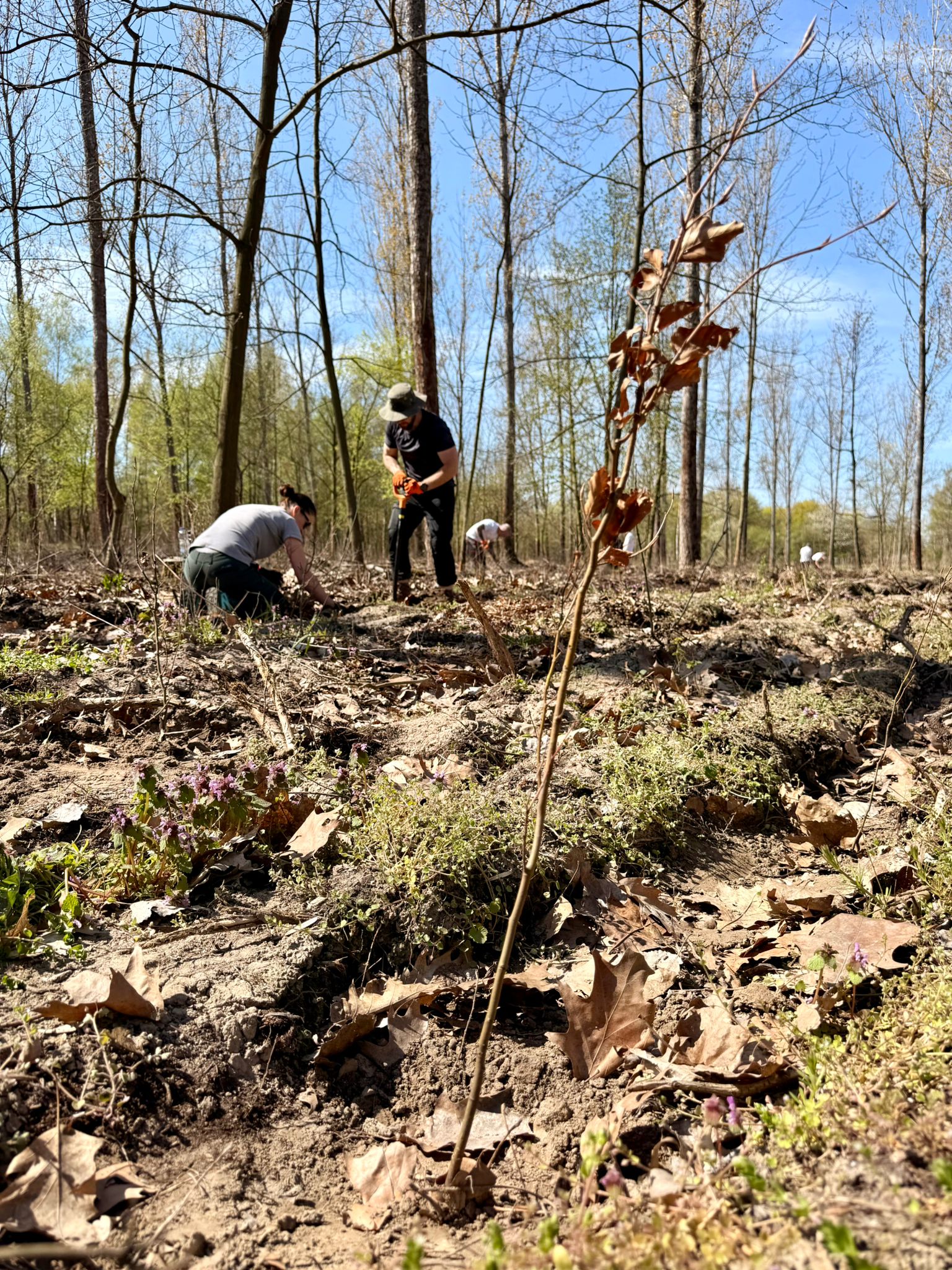
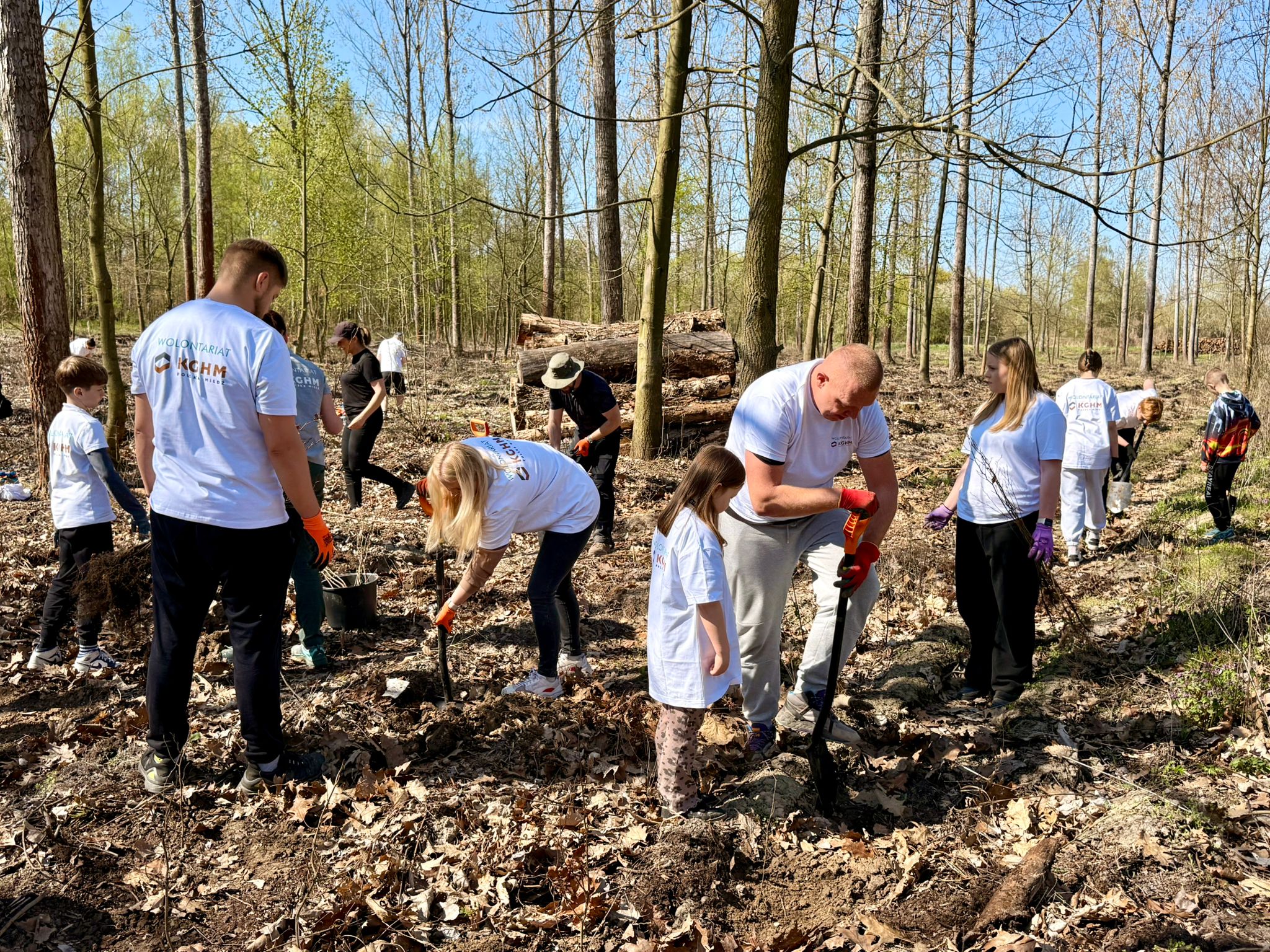
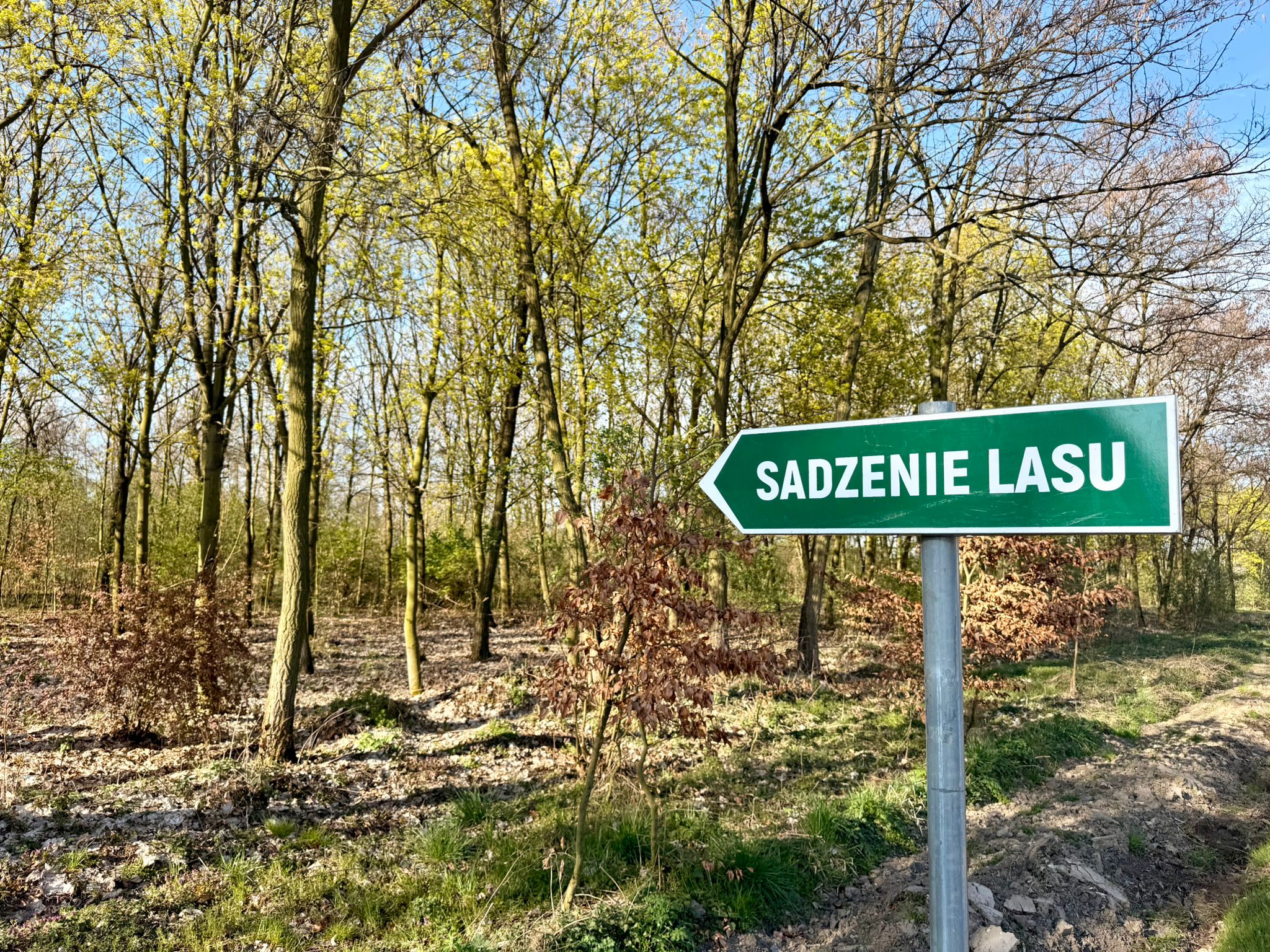
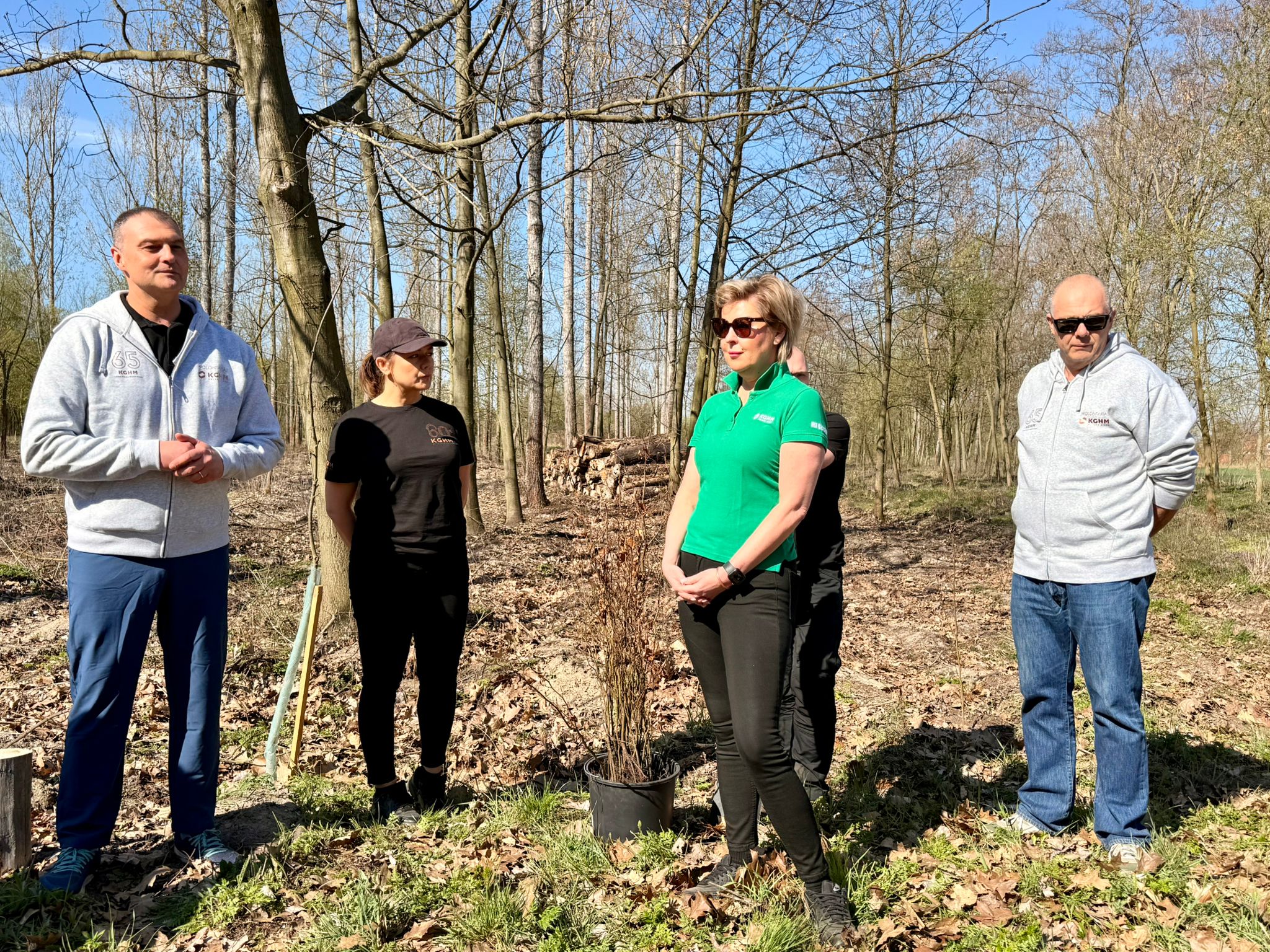
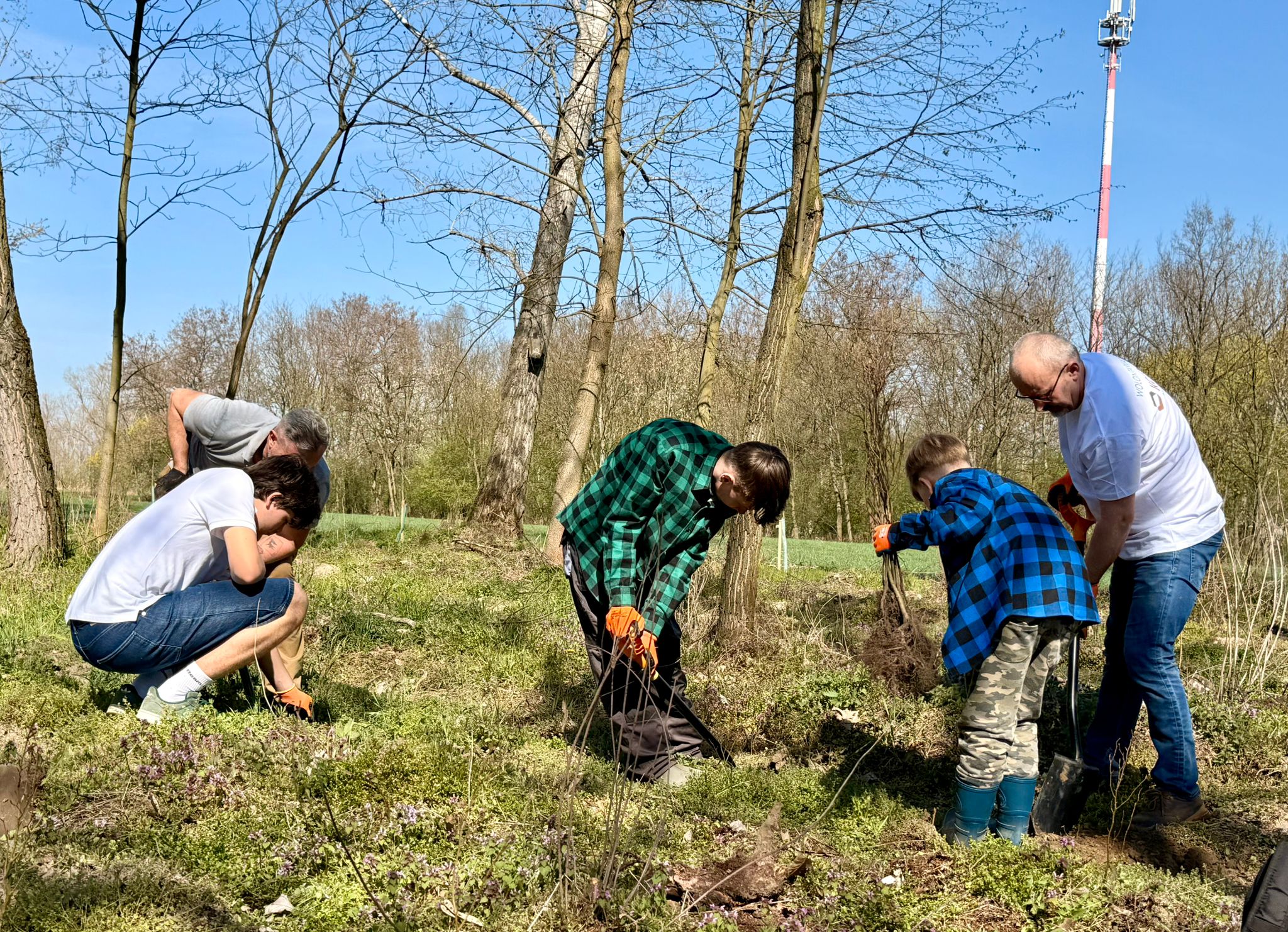
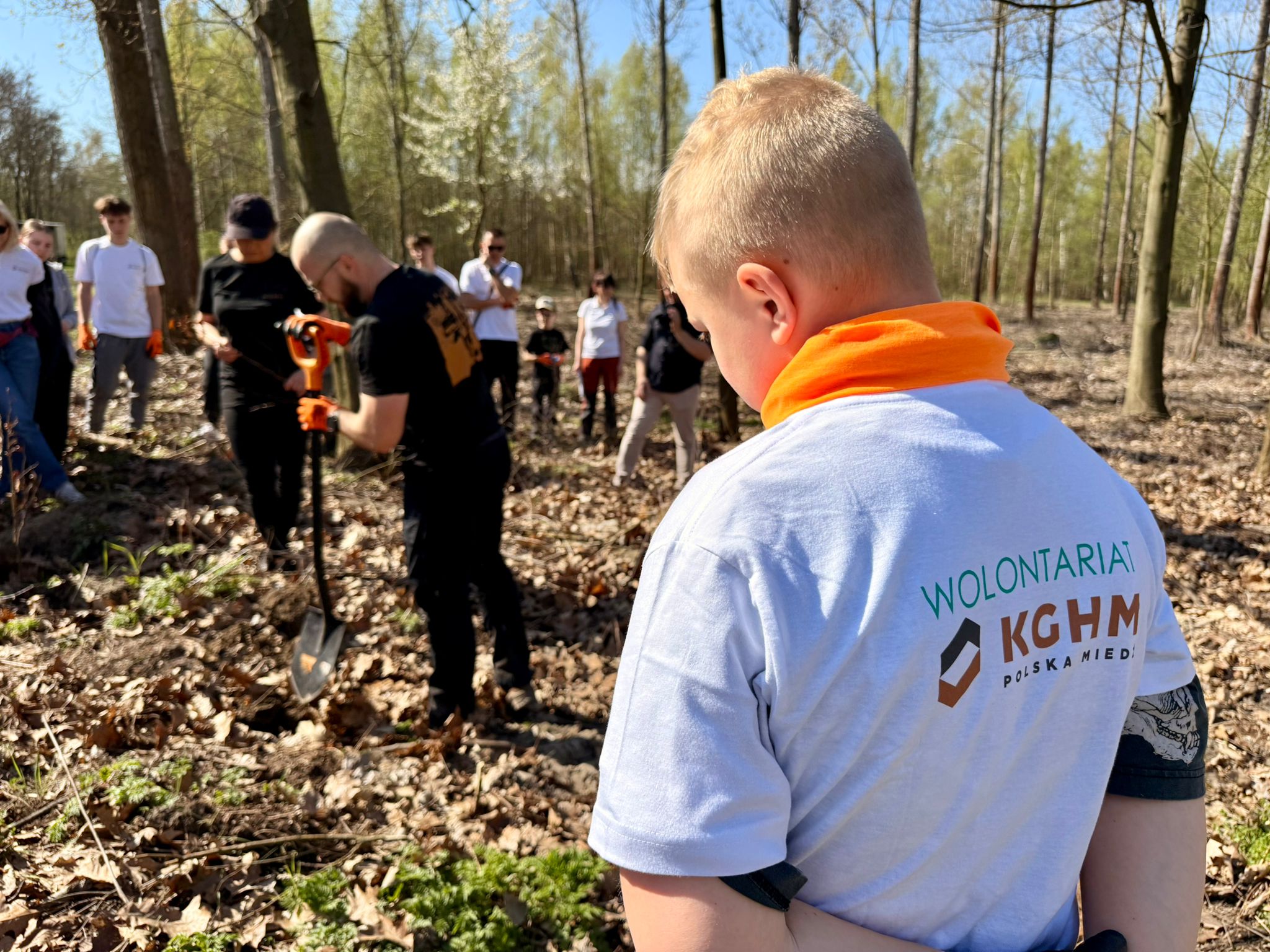
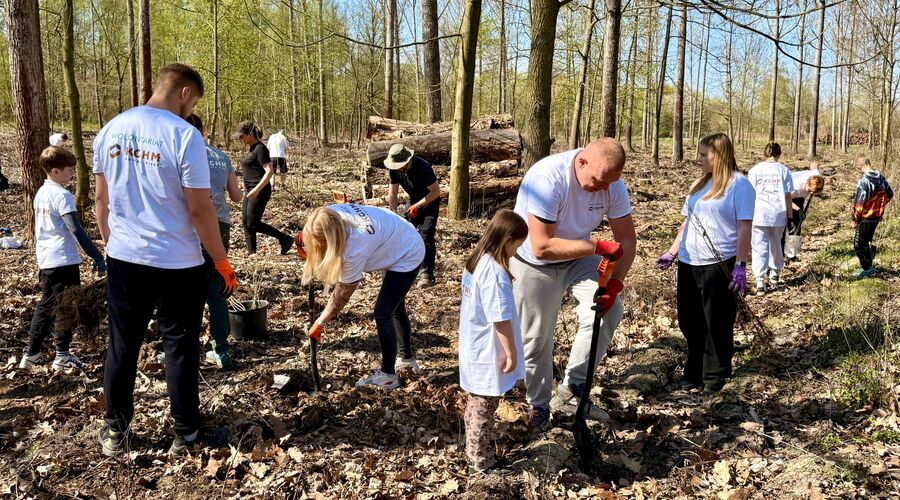
As part of the celebrations of World Earth Day, KGHM volunteers gathered once again in the vicinity of the Głogów Copper Smelter to plant around 4,000 trees. In the future, these young oak and beech trees will meet the region’s oxygen needs and support local biodiversity.
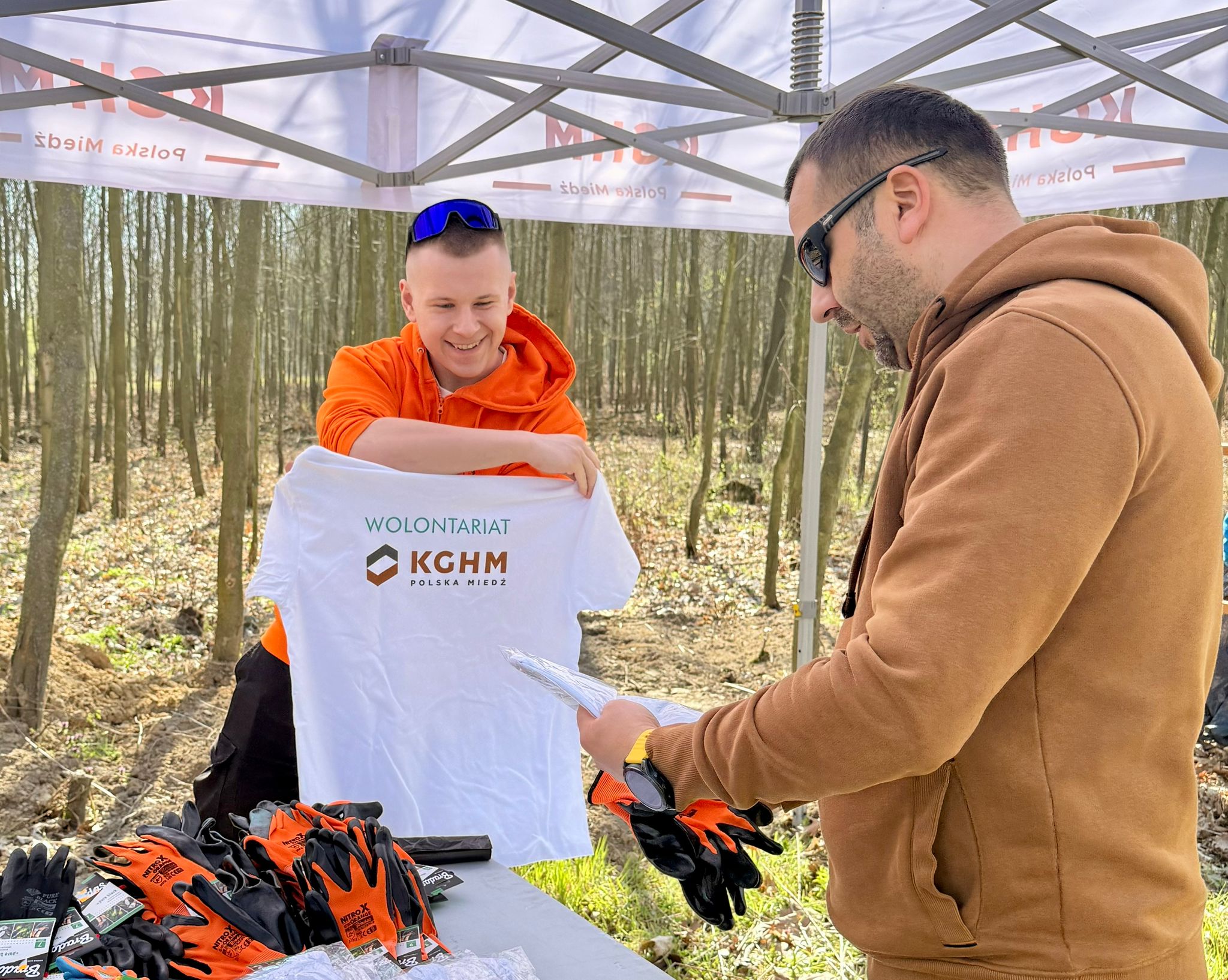
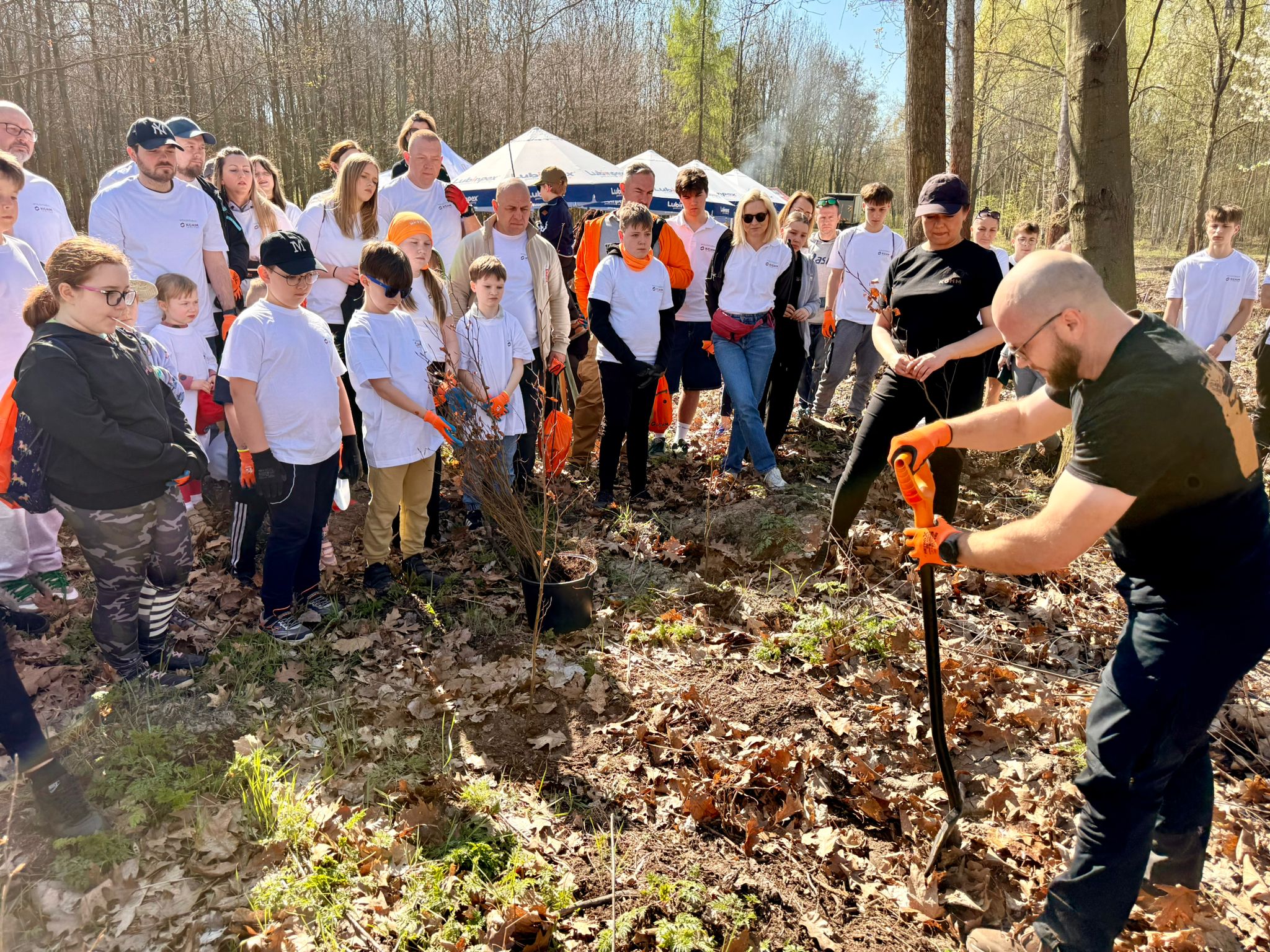
The family tree-planting initiative has become a regular event in the KGHM Volunteers’ calendar, bringing employees and their families together in their commitment to the region’s green spaces. This year, 100 participants joined forces to carry out a tree-planting initiative in the area around the Głogów Copper Smelter. The event was also a unique opportunity for the youngest participants – they were able to gain practical skills in nature conservation by learning to identify tree species, planting techniques and the importance of forests for local biodiversity,
KGHM’s forest
Planting campaigns involving volunteers are not the only ‘source’ of new trees. For many years, KGHM has been implementing a programme to restore and restructure forests in the region – last year, the company planted around 200,000 trees and 6,000 shrubs. This spring, around 95,000 forest tree and shrub seedlings will be planted around the Głogów Copper Smelter and in the ecological site. This marks the next stage in the restructuring of the poplar stands, which began in 2005 within the former buffer zone of the Głogów Copper Smelter. On average, 7,000 seedlings are planted per hectare of the renewed area.
KGHM manages over 1,340 hectares of woodland – the largest areas are located near the Głogów Copper Smelter and the Legnica Copper Smelter. Particular attention should be paid to the so-called ‘Łęgi Głogowskie’ – an area of over 600 hectares of flood meadows situated between the embankments of the Oder. The areas managed by KGHM form a site of great natural value with nesting birds, small terrestrial and aquatic animals, and exceptionally thriving vegetation. Among the most famous residents are the peregrine falcons – a pair of these birds have chosen the chimney of the Głogów Copper Smelter as their nesting site.
A natural air filter
The forests around the KGHM divisions function as a natural air filter. The trees absorb carbon dioxide and help reduce some pollution. That is why KGHM is systematically replacing poplar plantations with long-living tree species – primarily oaks and beeches – which effectively support oxygen production and ecosystem stability. Forests in Poland absorb over 40 million tonnes of carbon dioxide annually, making a significant contribution to the fight against climate change.
It is estimated that 1 hectare of forest can produce around 700 kilograms of oxygen per day – enough to meet the daily needs of around 2,500 people. In the future, KGHM’s forest areas, taken together, are expected to meet the daily oxygen demand of nearly three and a half million people. Furthermore, forests not only produce oxygen, but also regulate air humidity and temperature, which is particularly important during heat waves or droughts. The presence of forests lowers local temperatures by several degrees and protects the soil from erosion.
Forests also play an important role in absorbing carbon dioxide (CO2). Research shows that a single tree can absorb around 6-7 kg of CO2 per year, and 1 hectare of forest offsets the annual emissions of four passenger cars. This means that over the course of a year the forests managed by KGHM will absorb a quantity of exhaust fumes equivalent to the emissions from over 5,000 vehicles. Furthermore, forests provide a habitat for many animal and plant species, thereby supporting local biodiversity.