Two investments by KGHM Polska Miedź S.A. receive European Union strategic projects status
The European Commission has granted ‘strategic project’ status to two key KGHM initiatives: the development and mining of the Retków–Grodziszcze deposit and the transformation of the Legnica Copper Smelter and Refinery into an integrated recycling metallurgical plant. These two projects, totalling over PLN 9.5 billion, will strengthen Europe’s copper mining and recycling capacity, reduce dependence on supplies from outside the European Union, and support the development of the European copper industry.
‘The European Commission’s decision confirms that KGHM’s projects are of fundamental importance to Europe’s security. Ensuring a stable supply of copper is essential for the development of many sectors of the economy, from the energy sector to new technologies. The sustainable use of natural resources and modern recycling methods are the best way to strengthen our independence in terms of raw materials, and thereby the prospects for the development and resilience of the European economy’, says Remigiusz Paszkiewicz, President of the Management Board of KGHM Polska Miedź S.A. ‘I hope that the Commission will soon take the further steps necessary to achieve this objective. Without ensuring an adequate supply and stabilising the scrap market for critical raw materials, European policy will remain inconsistent, which will significantly limit the impact of the efforts undertaken and will prevent Europe from realising its full economic potential’, emphasises the President.
The granting of strategic project status means that KGHM’s projects have been recognised as important for the security of supply of strategic raw materials and the proper functioning of the European Union’s internal market. The projects are in line with the objectives of the Critical Raw Materials Act (CRMA), which aims to develop European mining, processing and recycling capacities and reduce dependence on supplies from outside the EU.
New copper reserves for Europe
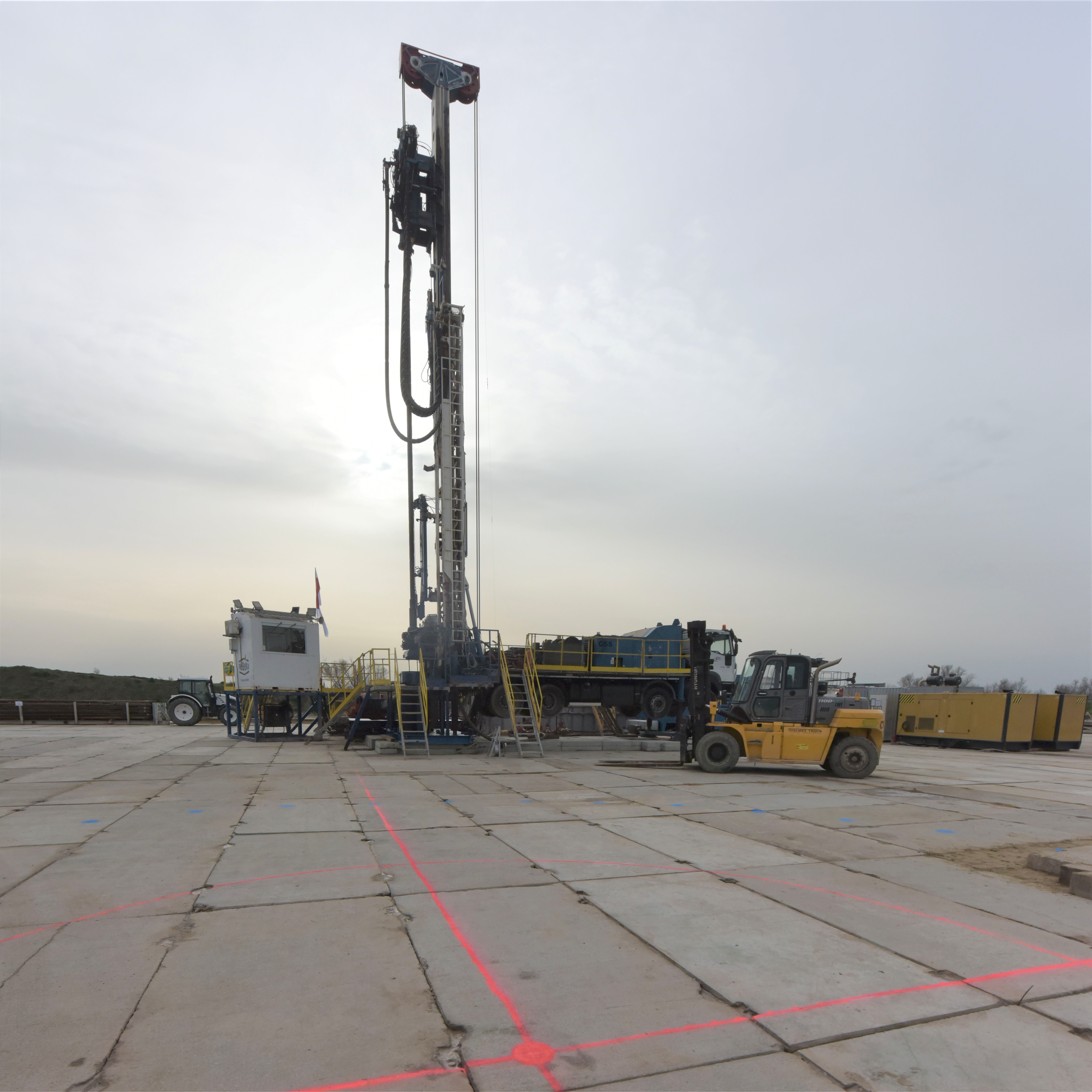
The project to develop and operate the Retków–Grodziszcze deposit involves the construction of the Retków shaft, together with the necessary ancillary infrastructure. It is one of three mine shafts whose construction began in 2025. Looking ahead to 2055, the project is expected to enable the extraction of over 100 million tonnes of polymetallic ore, containing nearly 1.5 million tonnes of copper and over 5,000 tonnes of silver.
The scale of demand for copper in Europe is significant. It is estimated that between 2020 and 2050, around 22 million tonnes of copper will be needed to implement technological solutions designed to reduce greenhouse gas emissions in the EU. At the same time, copper produced in the EU has, on average, half the unit emissions of that produced outside the EU. The development of Europe’s raw materials base could therefore not only enhance security of supply, but also have a significant impact on reducing the carbon footprint of the European economy.
A state-of-the-art metal recycling centre
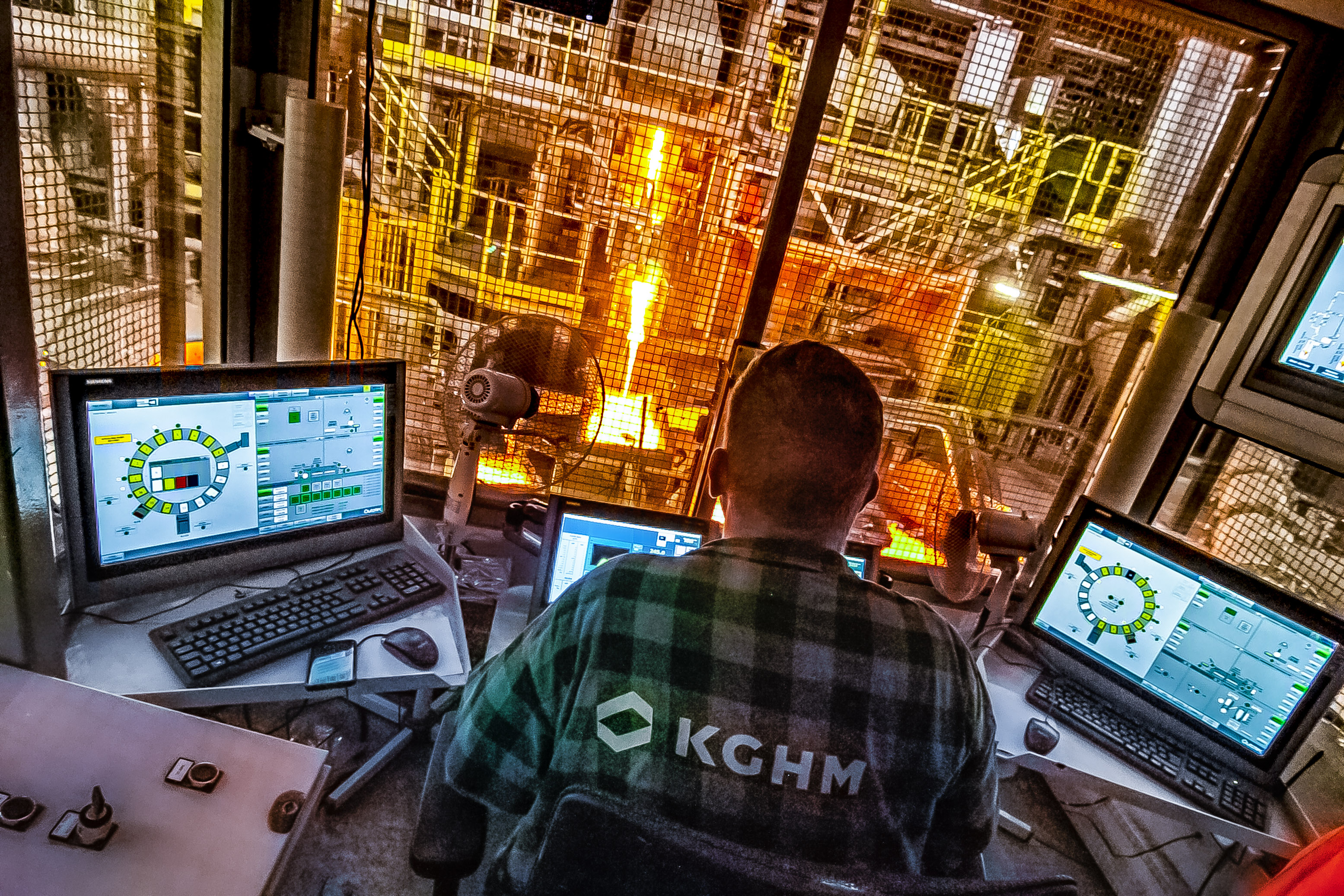
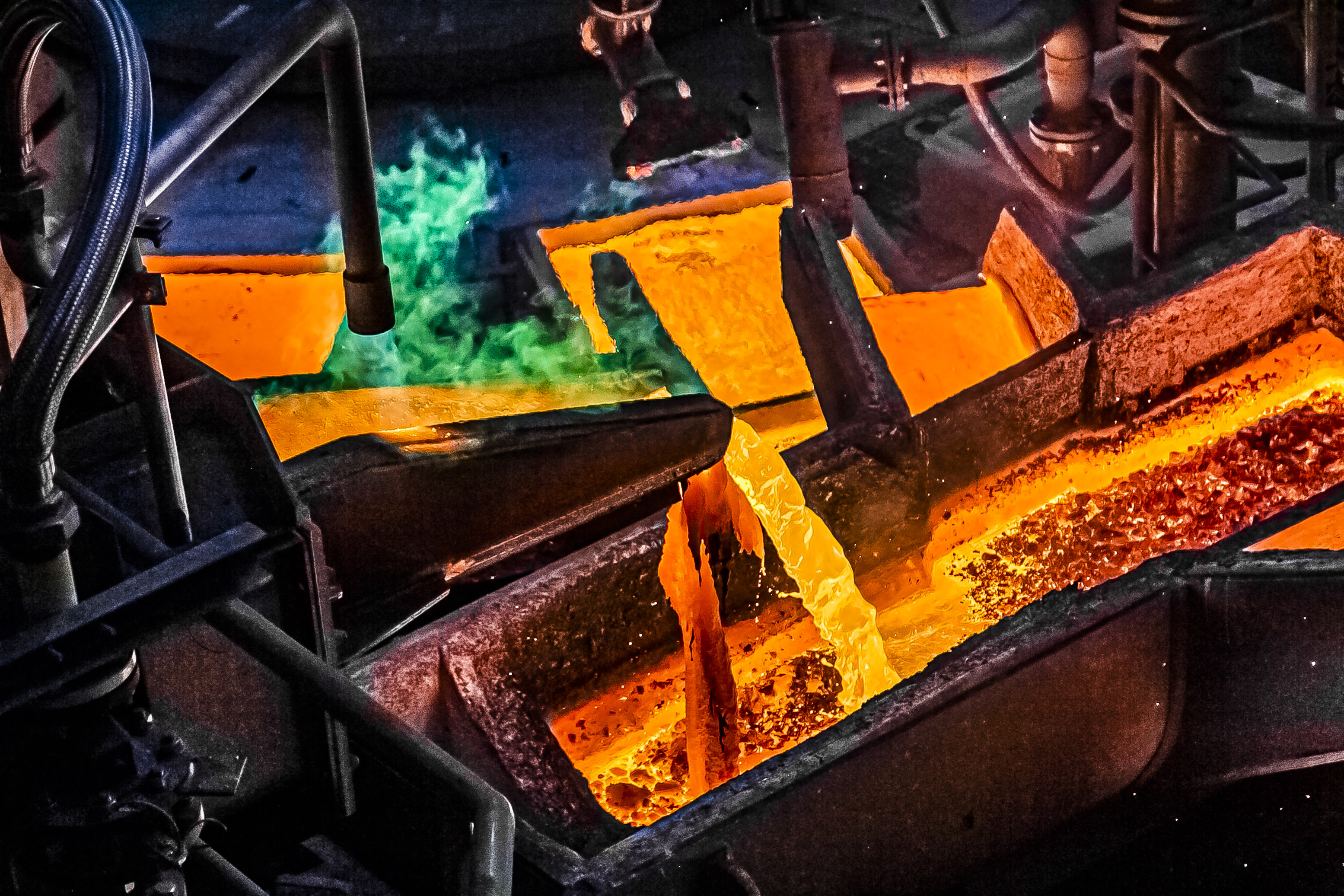
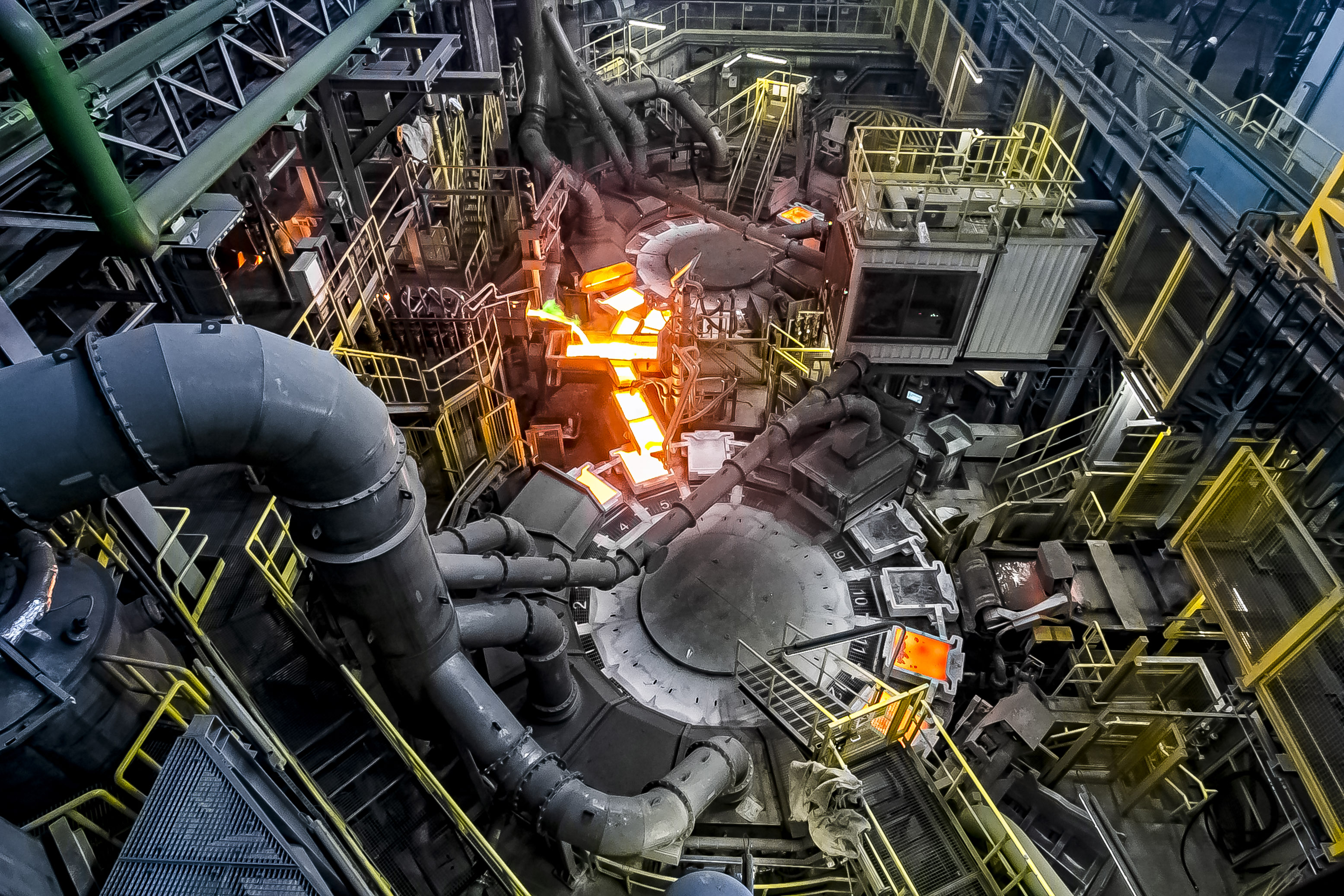
The Legnica Integrated Recycling Metallurgical Plant project involves the design and commissioning of a facility for the processing of scrap metal containing between 15 and 60 per cent copper, as well as associated metals, including nickel. Once the project is complete, the plant’s projected annual production will be approximately 135,000 tonnes of electrolytic copper and 250 tonnes of nickel. The project supports the achievement of one of the CRMA’s main objectives, namely the development of the EU’s recycling capacity. These are intended to cover at least 25 per cent of annual consumption of strategic raw materials.
A prerequisite for the stable operation of the plant will be long-term access to copper scrap in sufficient quantities and of the appropriate composition. It is therefore essential to develop solutions at the EU level that will restrict the export of these materials outside Europe, ensure their availability to EU industry, and support the recovery of associated metals, in particular critical and strategic raw materials.
Significant support for the projects
The strategic project status may result in specific measures to facilitate the preparation and implementation of both projects. This includes more efficient and predictable administrative procedures, better coordination of the permit-granting process, and the opportunity to apply for preferential external funding. This is of particular importance for complex mining and metallurgical projects, the preparation of which requires many years of work, significant financial investment and cooperation with national and EU authorities.
KGHM will continue its work in accordance with the schedules for both projects and will cooperate with national and EU institutions in order to make effective use of the instruments provided for strategic projects. The aim is to ensure the smooth implementation of both projects, which will enhance Europe’s security of supply and strengthen Poland’s position in the European value chain.