KGHM Polska Miedź ranks among the world’s leading silver producers
In this year’s edition of the ‘World Silver Survey 2026’ ranking, the KGHM Group once again came second among the world’s largest silver producers. In 2025, the Group produced 1,347 tonnes of this precious metal. KGHM also took first place in the category ‘the world’s largest silver mines’. This confirms KGHM’s role in the mining sector and the strength of Poland’s raw materials sector. In the same ranking, Poland came seventh in the world, maintaining its strong position among the key players in the global silver market.
In a world where silver is becoming one of the cornerstones of the modern economy — from electronics to renewable energy — this ranking confirms the strategic importance of KGHM to the European and global economies. For years, KGHM has been building its competitive advantage not only through the scale of its production, but also through its technology and the efficiency of its recovery of precious metal. Today, this model is the deciding factor in global competitiveness.
‘This is not a one-time success, but the result of a consistently-built operational and technological advantage. For years, KGHM has been developing a model that allows us to maximise the potential of our resources and maintain our position among the world’s leading producers of non-ferrous metals, including silver’, said Remigiusz Paszkiewicz, President of the Management Board of KGHM Polska Miedź S.A.
Silver at the KGHM Group
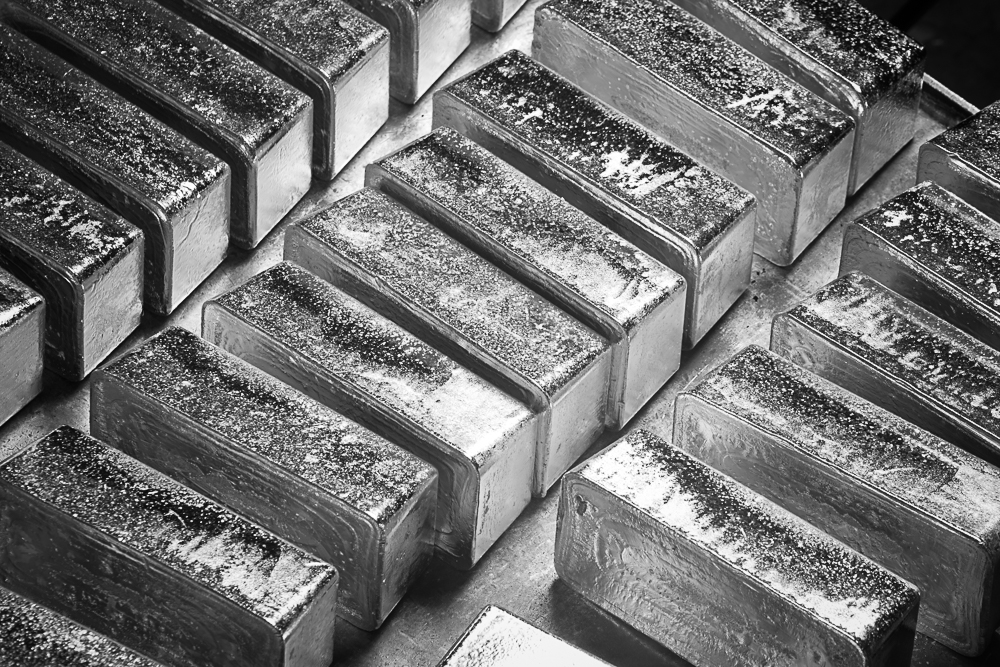
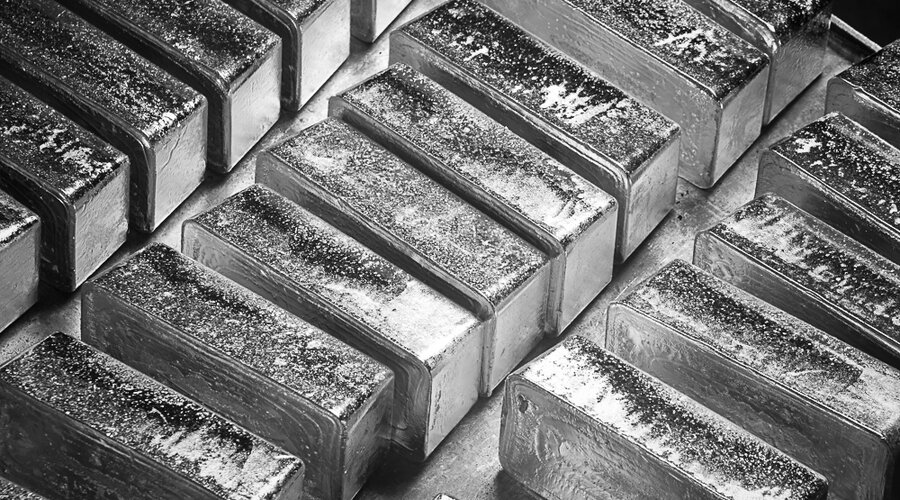
In 2025, the KGHM Group’s silver production reached 1347 tonnes. Silver is supplied in the form of grains to the jewellery and metals industries, which produce alloys containing silver. Silver in the form of bars (ingots), on the other hand, is mainly purchased by financial institutions. In July 2025, KGHM expanded its range of products with silver bars in smaller weights from 1 ounce to 1,000 grams.
‘The results of the World Silver Survey confirm the exceptional quality of our production and the standards we have implemented at KGHM’s metallurgical facilities. This is also the effect of the experience and expertise of our teams. We produce silver of the highest quality, which is highly regarded on global markets’, said Mirosław Laskowski, Vice-President for Production at KGHM Polska Miedź S.A.
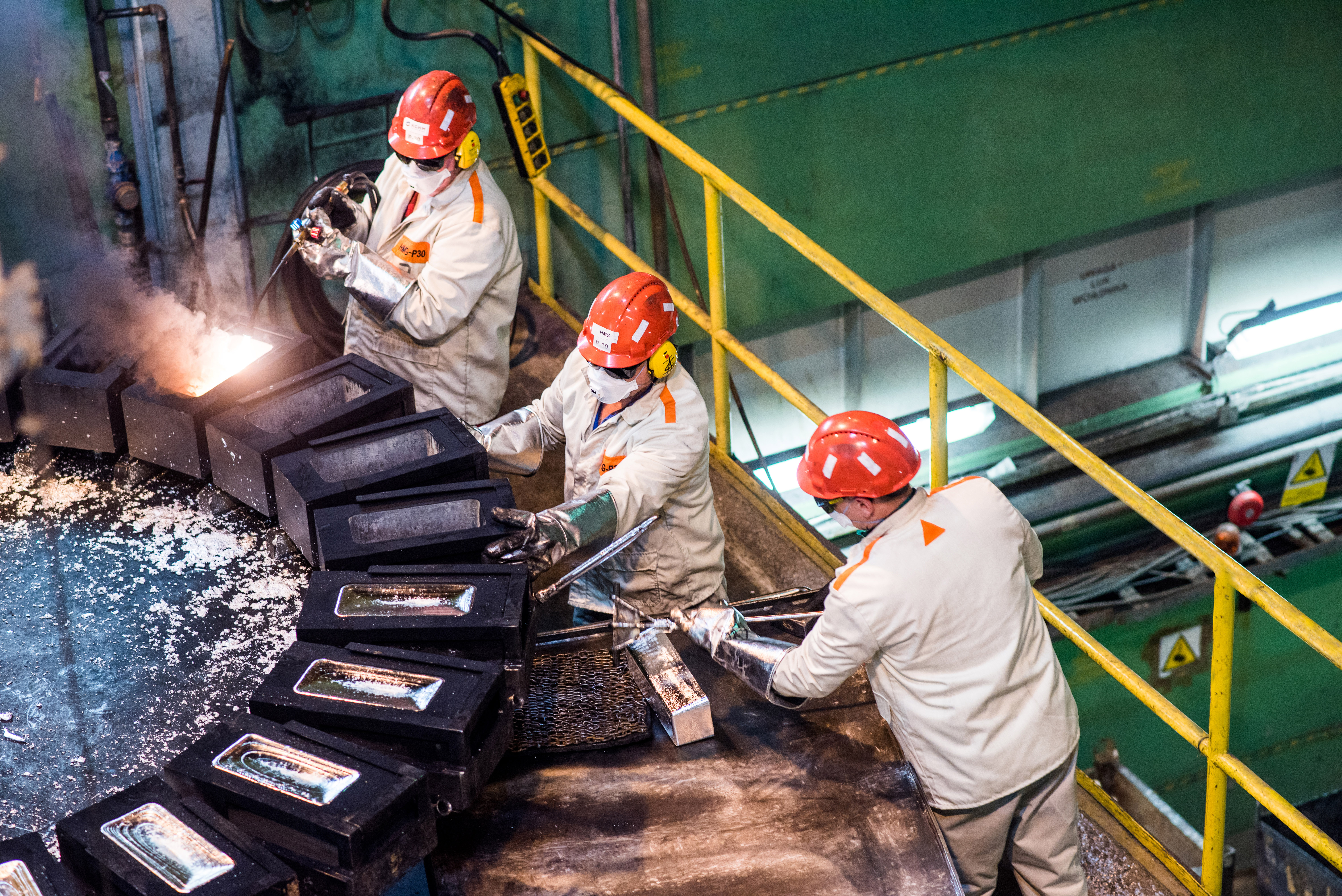
KGHM’s silver production takes place at the Głogów Copper Smelter and Refinery, where the Precious Metals Plant has been operating since 1993. Its task is to recover the precious metals – silver and gold – present in the copper ore. These are found in the so-called ‘black mud’, i.e. the anode slime produced during the electrorefining of copper. After the production process, metallic silver in the form of grains and ingots (bars) has a silver content of 99.99%.
Economic importance
Approximately 72% of global metallic silver production arises as a by-product of mining ores of other metals. Due to its unique physical properties, silver is used in the electronics and electrical engineering industries, as well as in medicine, optics, the energy sector, jewellery and many other sectors. It also has applications in cutting-edge technologies, including in infrastructure, the automotive industry and photovoltaics. Industry consumes around 58% of global silver production. It is also a valued investment precious metal. Global silver production in 2025 amounted to over 26,000 tonnes.
Global ranking of leaders
The World Silver Survey is one of the most important reports that each year presents a list of the world’s largest silver producers. It is prepared by a team of experts and analysts from global metals markets.