KGHM is strengthening its cyber defence capabilities as part of Cyber Challenge 2026
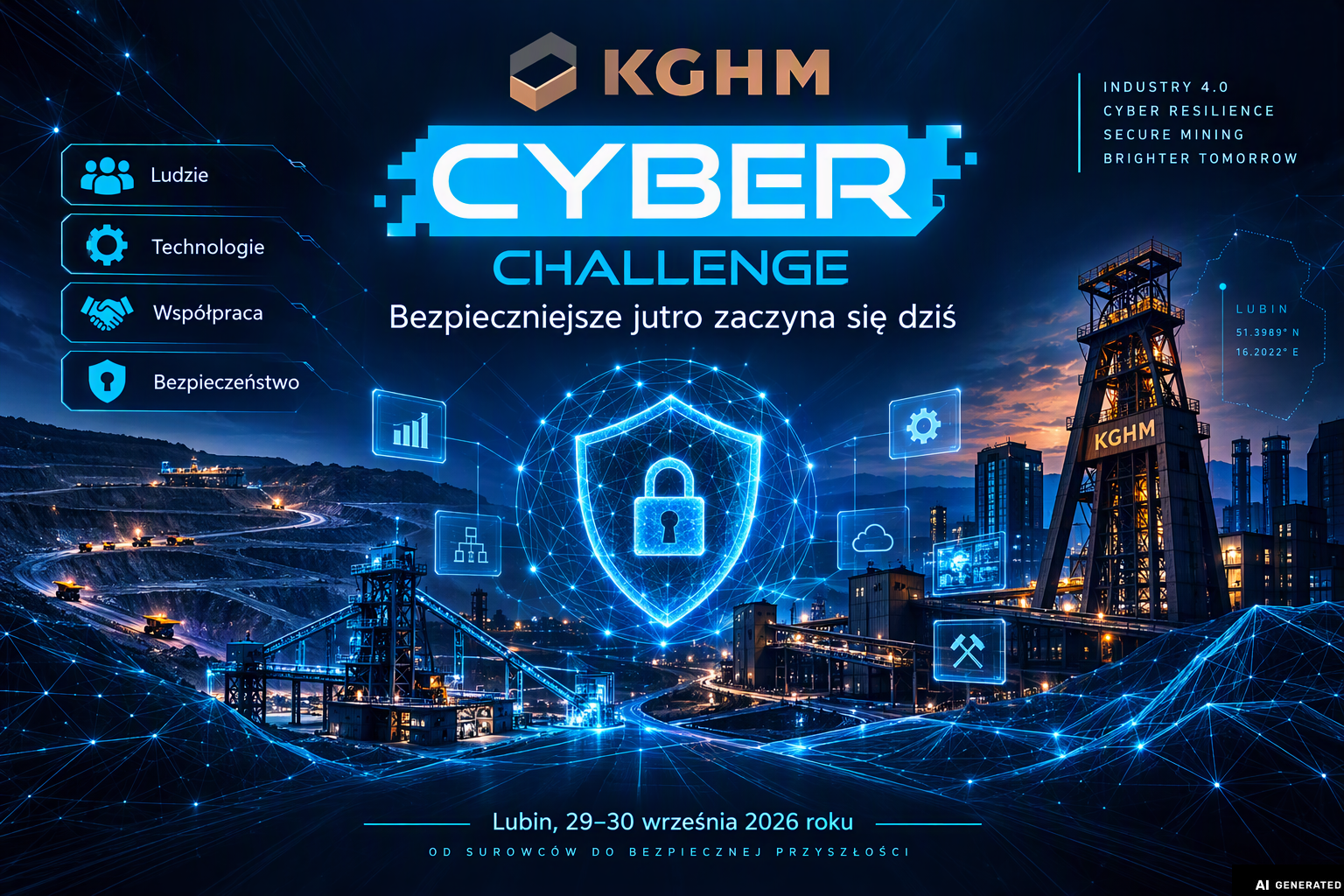
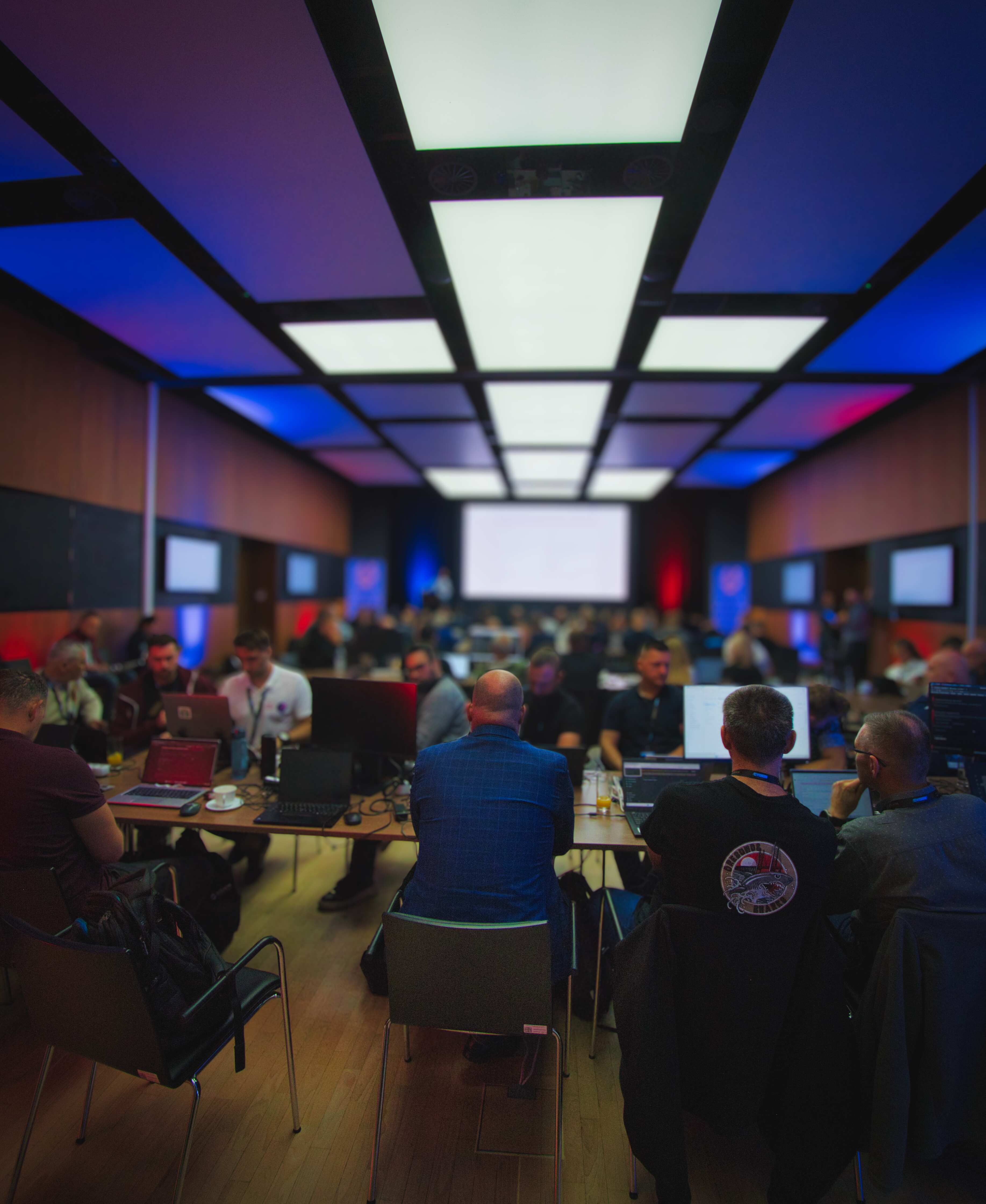
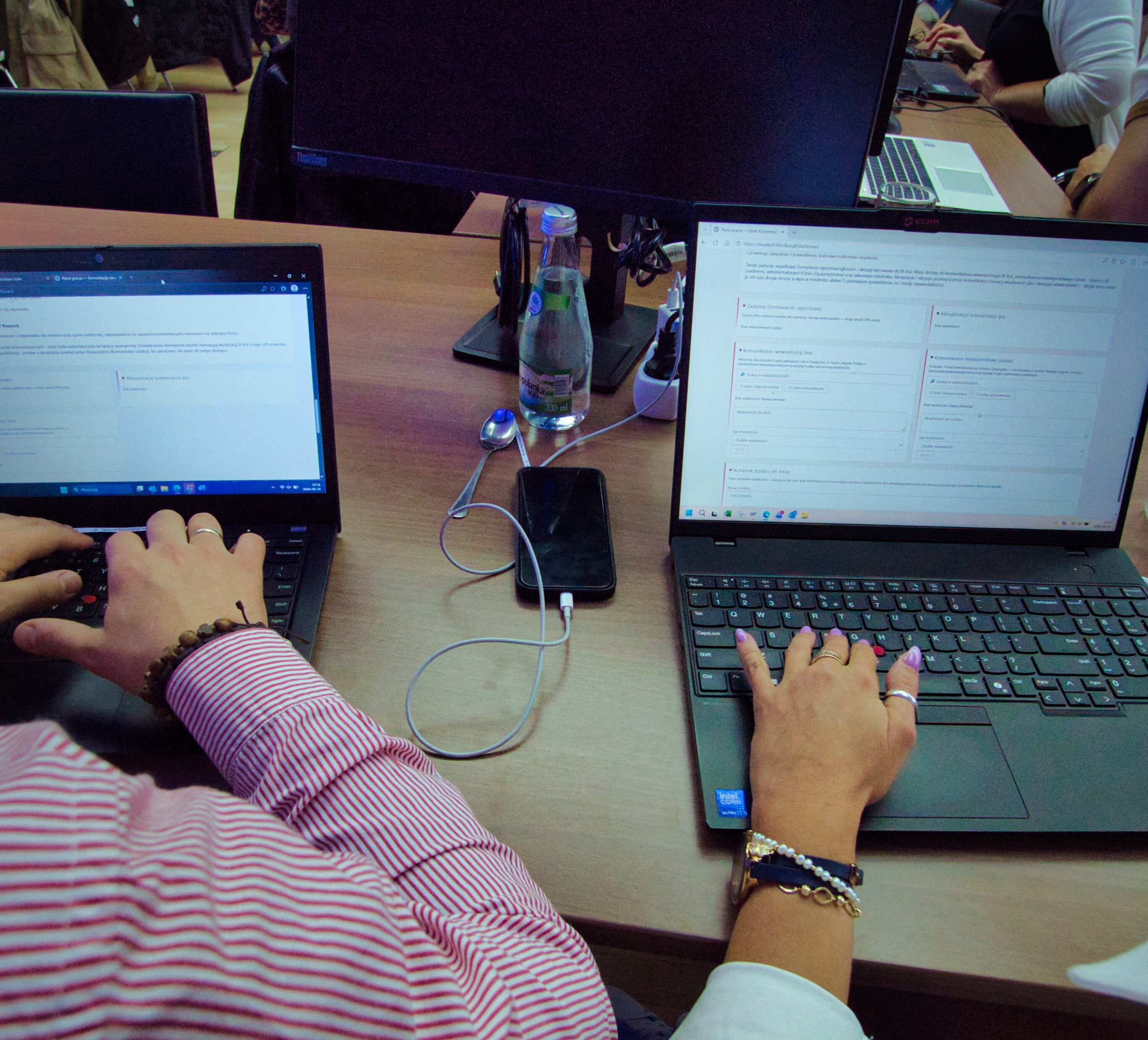
KGHM has once again organised the KGHM Cyber Challenge – a series of workshops on cyber security. The initiative brought together cyber security experts from key state-owned companies and the energy and mining sectors in one place. The main aim of the event was to carry out practical testing of defence procedures and crisis communication in the context of a controlled, sophisticated cyber attack.
A leader’s responsibility in the age of digital threats
In the face of a rapidly changing geopolitical situation and the growing activity of international hacker groups, the protection of production processes is becoming the cornerstone of economic stability.
Events such as the Cyber Challenge form part of KGHM’s strategy to build the resilience of key sectors of the Polish economy. That is why companies in which the State Treasury holds a stake get involved in such projects. As in previous years, this year's event was attended by representatives of key organisations. Besides KGHM’s representatives, the event’s participants included teams from six companies, including firms that are members of ISAC SIG:
- JSW IT SYSTEMS Spółka z o.o.;
- Lubelski Węgiel BOGDANKA S.A.;
- ORLEN S.A.;
- PGE Górnictwo i Energetyka Konwencjonalna S.A.;
- Polska Grupa Górnicza S.A; and
- TAURON Polska Energia S.A.
Simulation of real-world threats in an industrial model
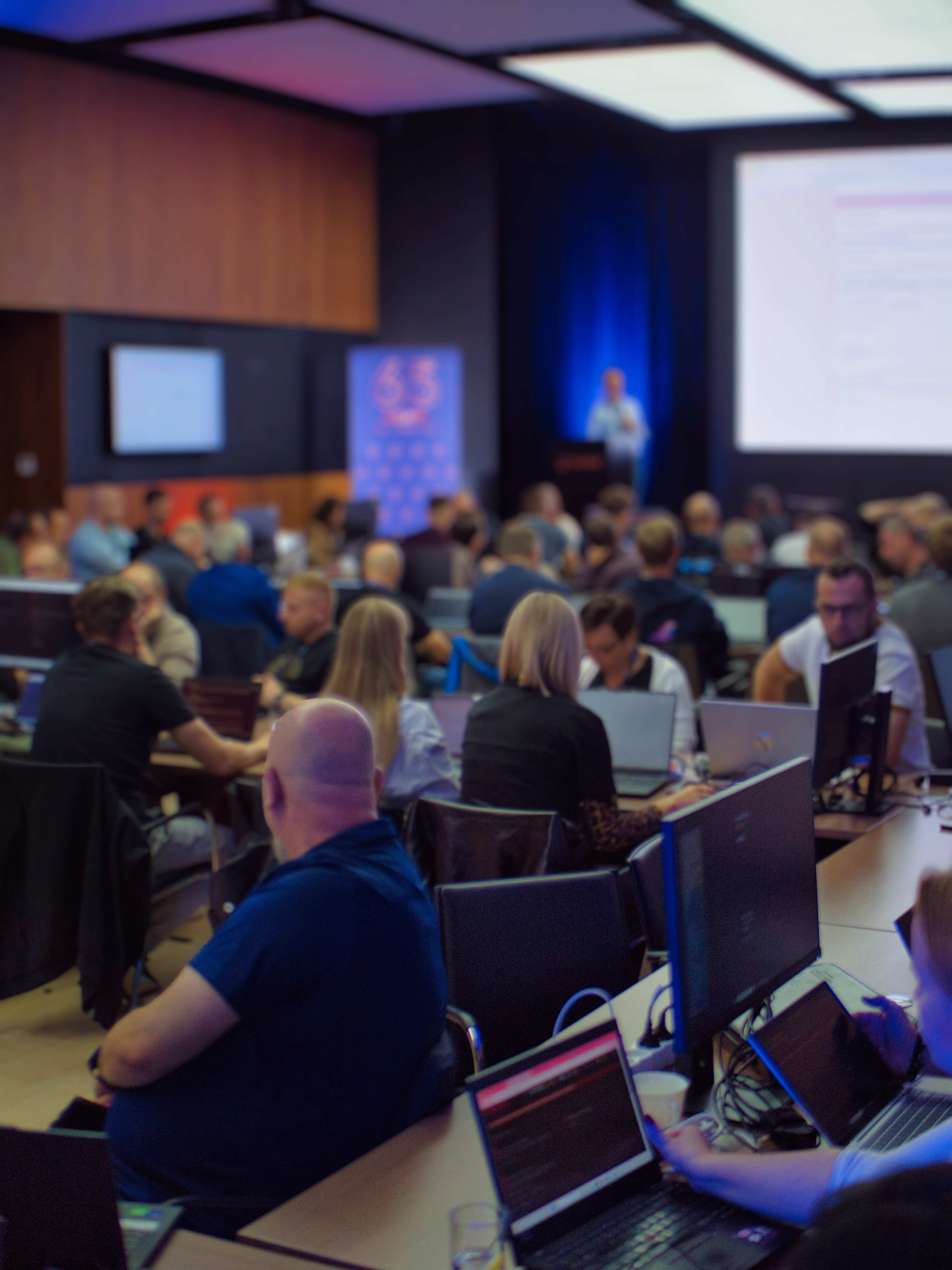
The first day of the event took the form of practical workshops drawing on the knowledge and experience of interdisciplinary teams in the management of security incidents, from the moment of detection through the mitigation and containment phases to crisis communication, as well as the conduct of parallel activities by Red Teams.
The second day was filled with panel discussions, lectures and talks. The wide-ranging topics covered centred on cyber security in the context of crisis communication, legal obligations in the event of a personal data breach, and cooperation within the raw materials sector in the event of such incidents.
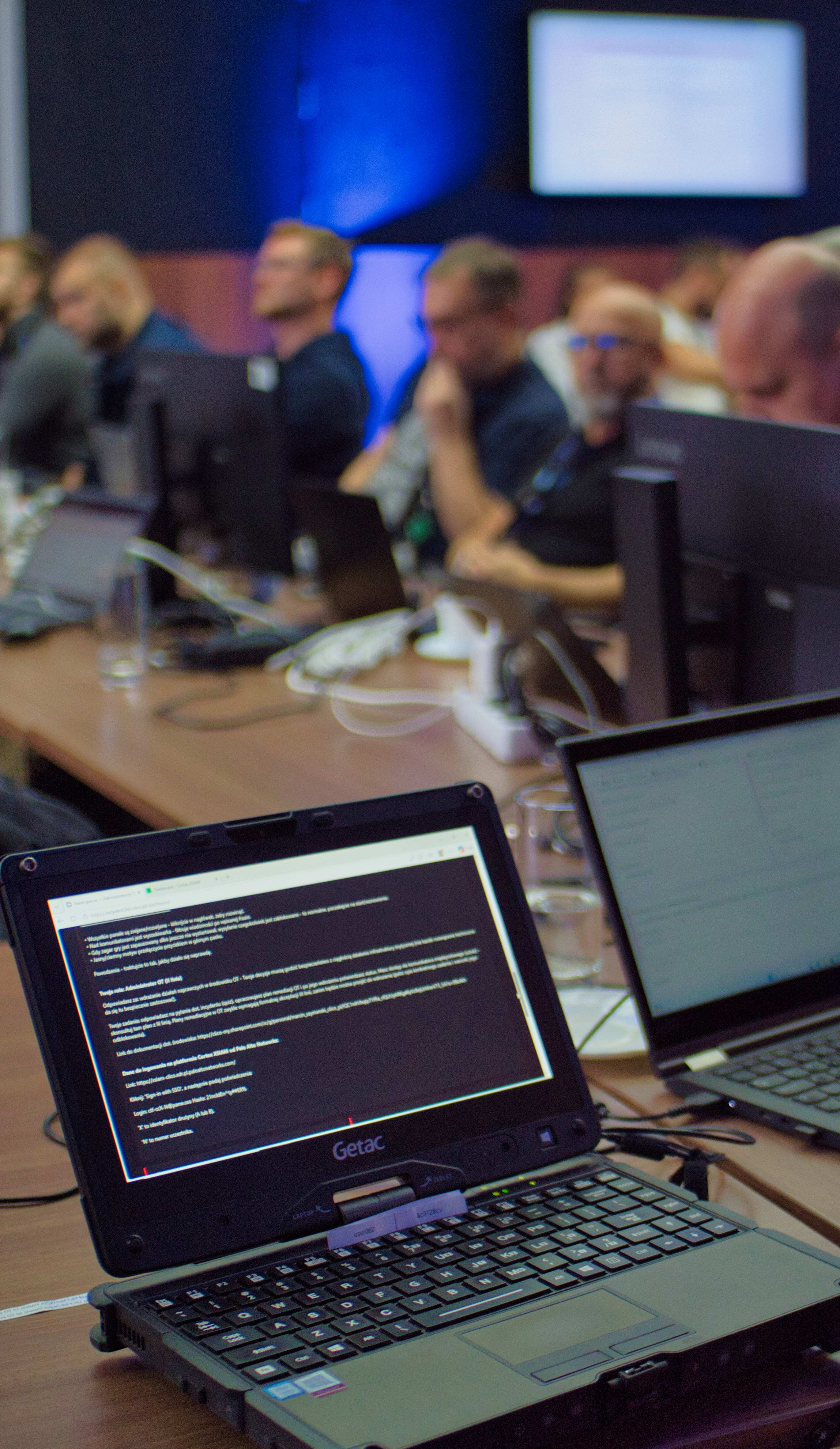
‘Modern cyber attacks on industrial infrastructure are rarely confined to a single area. Criminals attempt to breach the security of IT systems in order to gain access to the operational infrastructure. During the KGHM Cyber Challenge 2026, the participants used a specially designed platform to take part in a simulation of a sophisticated cyber attack on critical infrastructure. Strengthening our teams’ ability to respond immediately to such incidents enhances the operational security of the entire organisation’, explains Piotr Słowik, Director of the Cyber Security Department (CISO) at KGHM Polska Miedź S.A.
The workshops, conducted as an advanced virtual training ground, enabled the use of modern analytical techniques, the verification of monitoring systems and closer integration among the competing teams.