65 years of history and Smelter Worker’s Day at KGHM. The Polish Copper’s holiday is currently underway
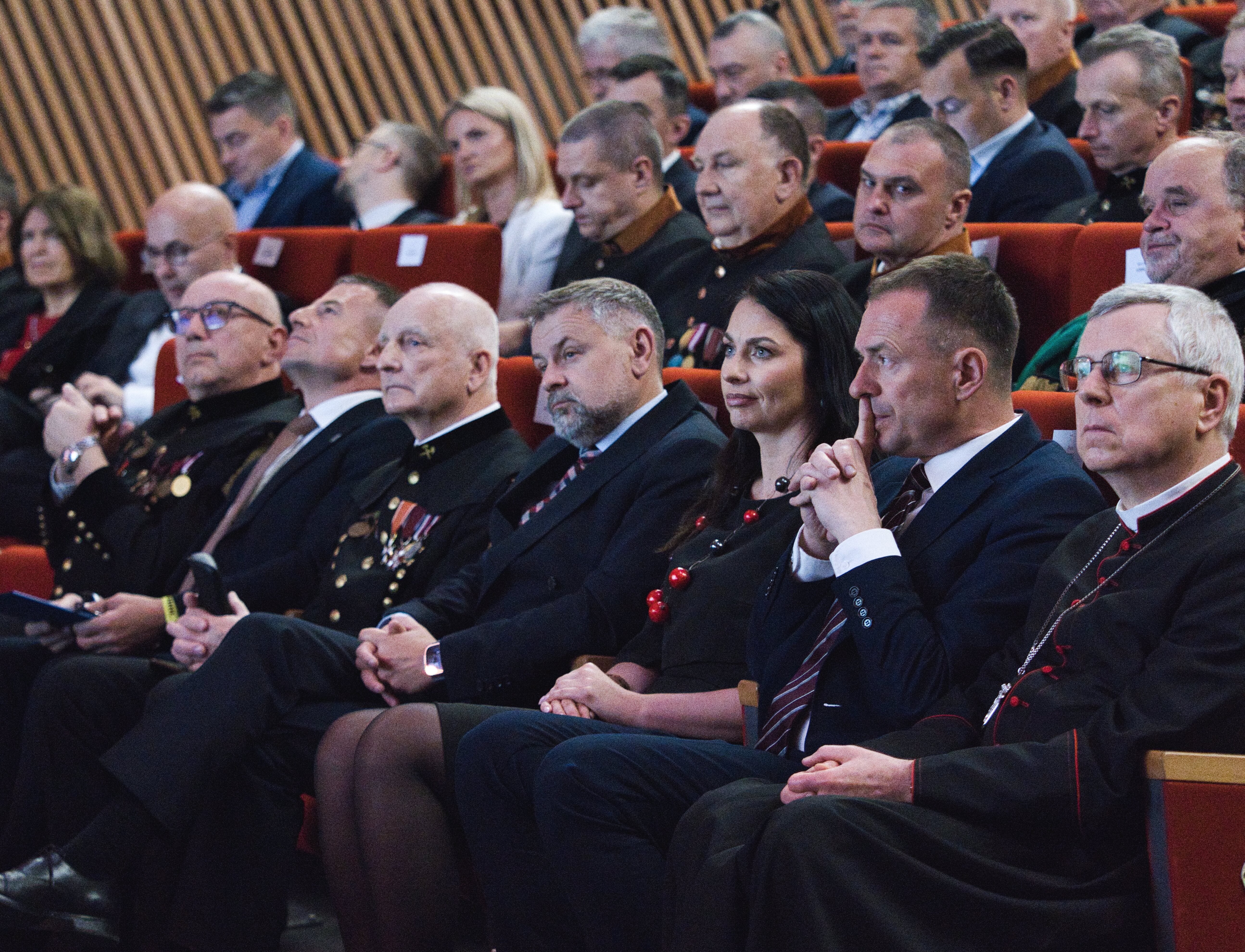
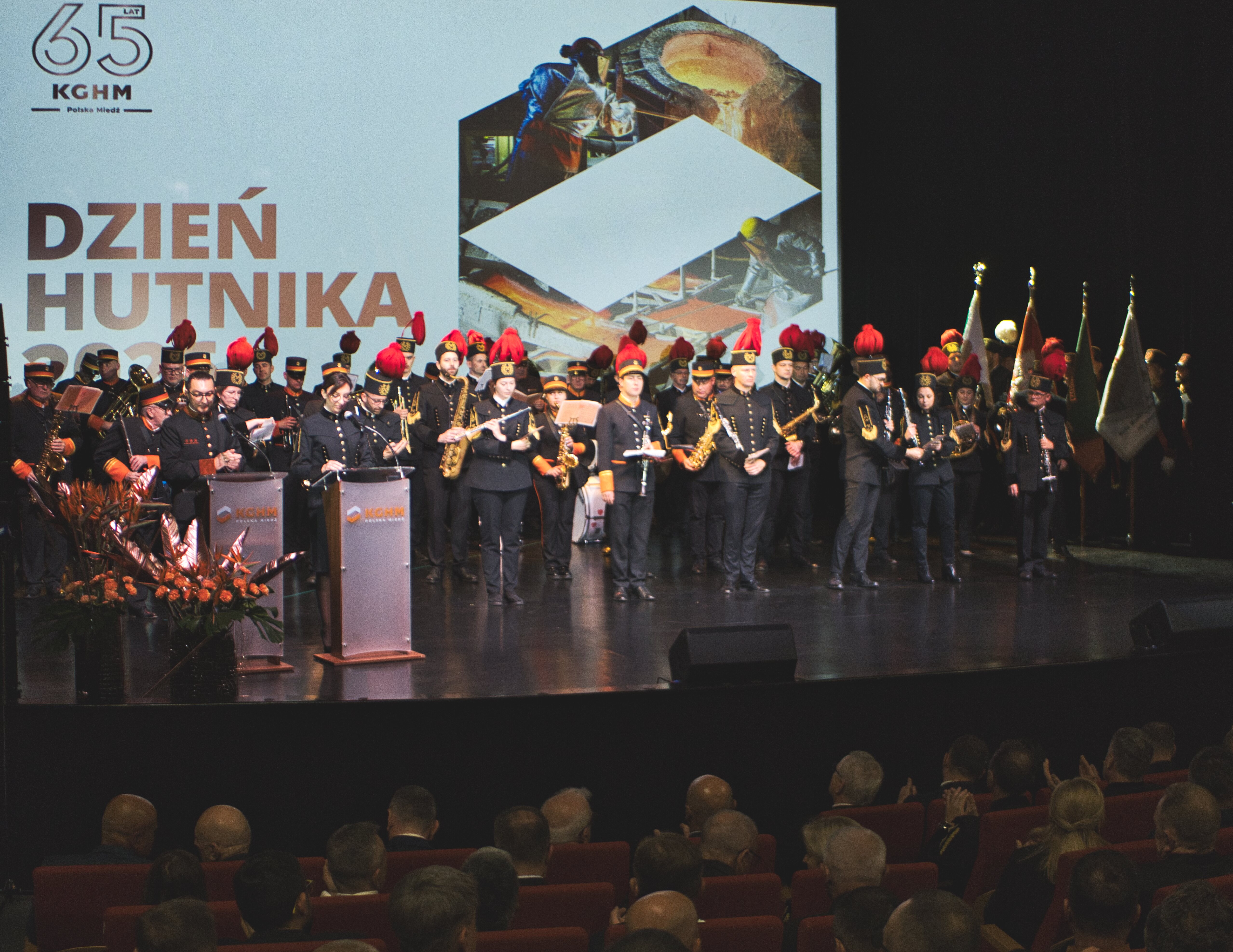
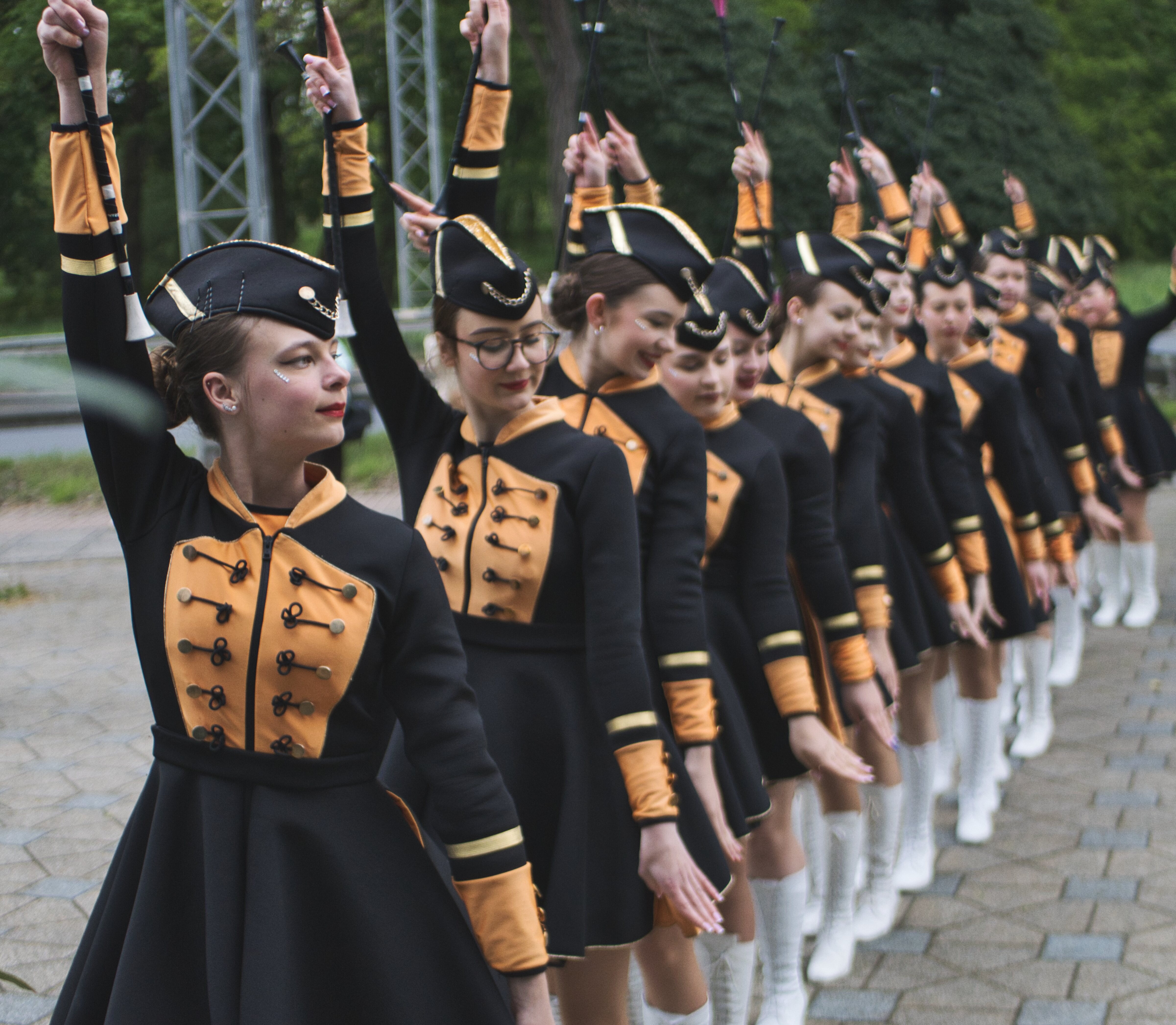
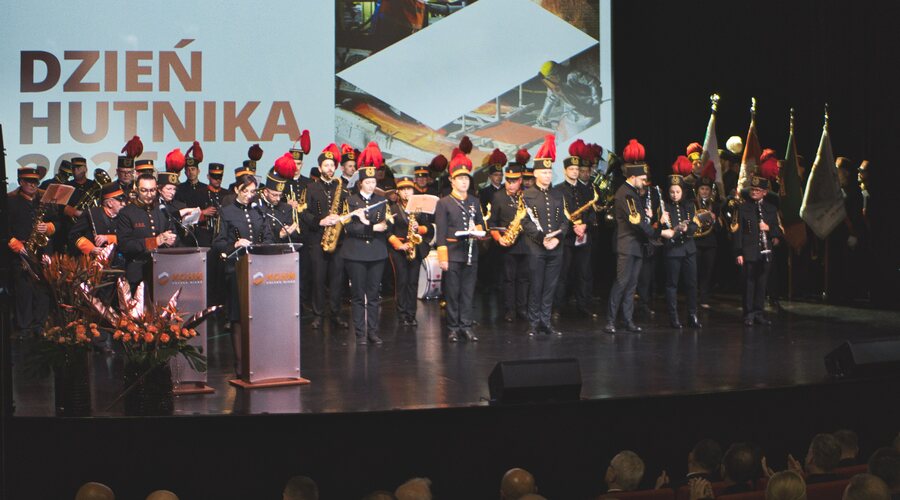
This year’s Smelter Worker’s Day celebrations at KGHM are of a special nature. The holiday celebrating smelting traditions is accompanied by events marking the start of KGHM’s 65th anniversary celebrations. The celebrations began outside KGHM’s headquarters in Lubin with a welcome for the Management Board and the smelter directors by the Głogów smelter orchestra. The guests attending the celebrations were also treated to a performance by majorettes. At the traditional ceremony, in addition to industry awards, employees who have made a significant contribution to the development of KGHM were also honoured. The smelter worker’s festival will conclude with a traditional inn dinner and feast (comber).
Honours for distinguished service
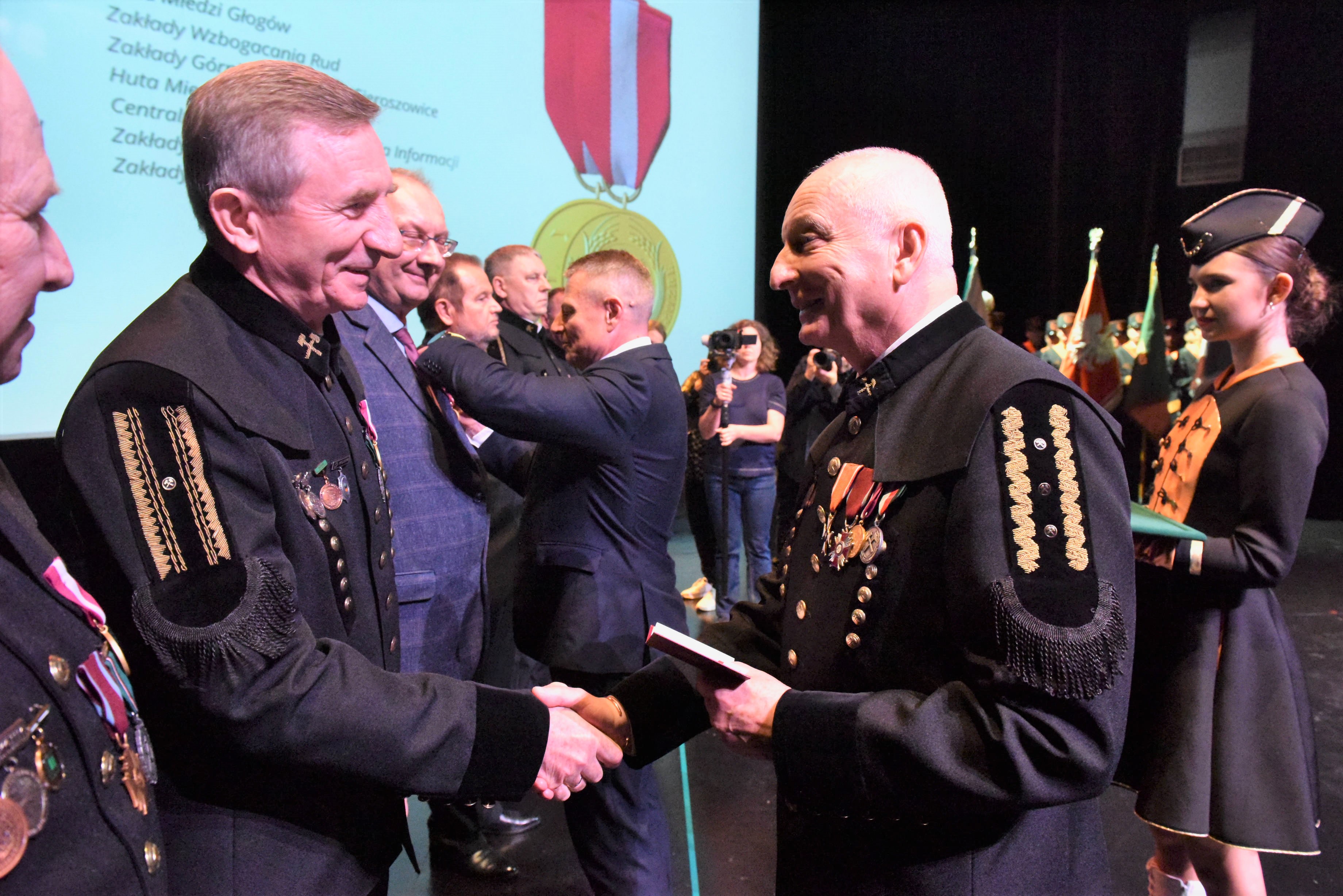
Smelter Worker’s Day is traditionally an opportunity to pay tribute to those who have shaped the history of KGHM over the years. During the ceremony, the company’s employees received state decorations: Gold and Silver Medals for Long Service (to mark Smelter Worker’s Day), Gold Medals for Long Service (to mark the 65th anniversary of KGHM) and the ‘For Services to the Energy Sector’ Badges of Honour. Those with the longest service were also honoured – they received a statuette of St. Florian and a letter of congratulations. A total of 84 KGHM employees were honoured.
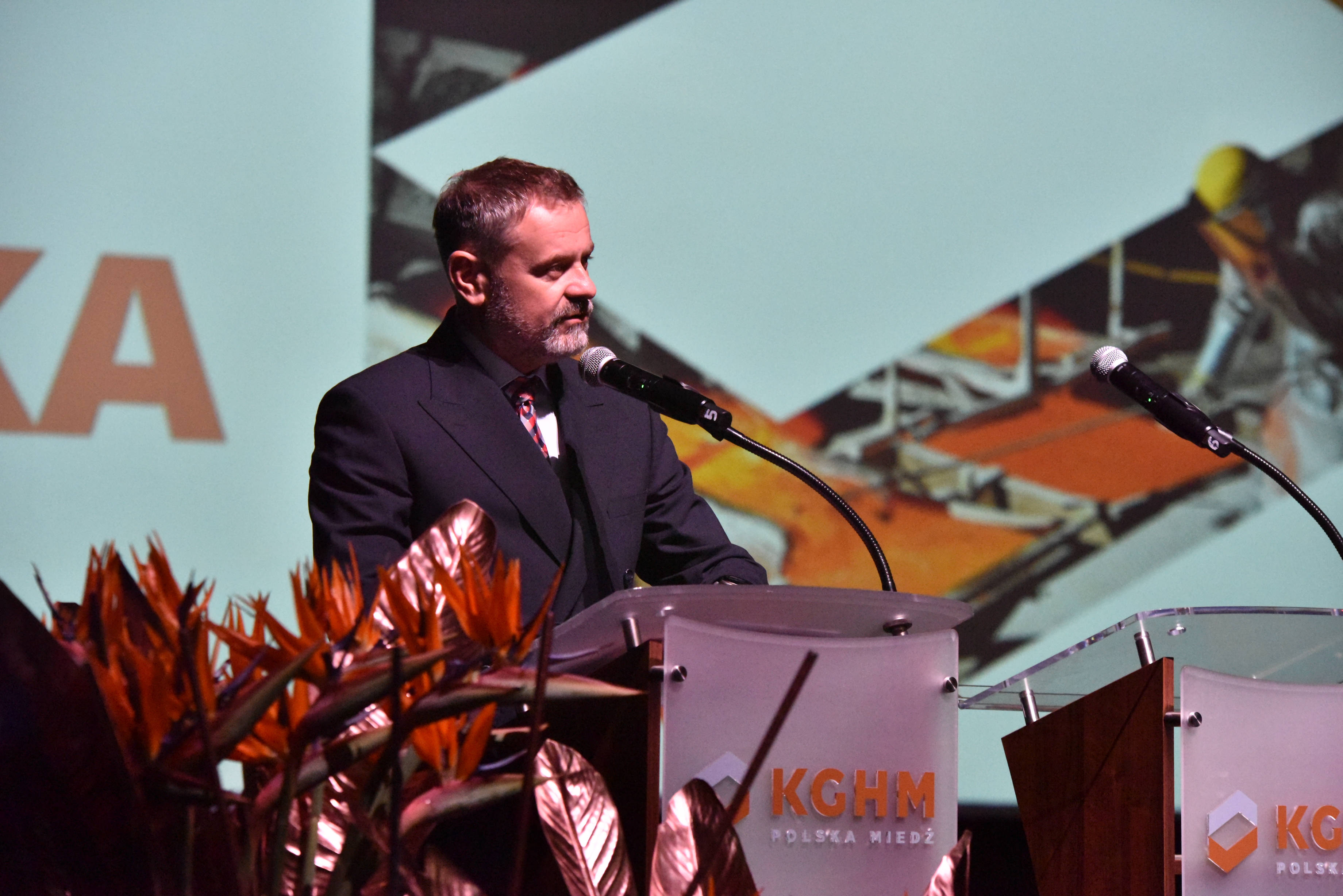
Mirosław Laskowski, KGHM’s Vice-President of the Management Board for Production, highlighted the development of the smelting sector at KGHM during the ceremony and thanked the smelter workers for their hard work and contribution to the company’s growth:
‘KGHM’s Management Board is consistently implementing a long-term strategy for the development of the copper smelting industry, based on multi-year investment plans and decisions made on the basis of measurable data and facts.
A key element of this strategy is the development of the Cedynia Smelter. The company is close to deciding to build a new, high-capacity production line that will significantly exceed the capacity of its current infrastructure. The Legnica Smelter is undergoing a major transformation – its future will be based on a modern recycling model that uses only copper scrap, while maintaining full operational profitability. In the case of the Głogów Smelter, efforts are focused on maintaining stable operations over the coming years and ensuring the company is well prepared for the challenges that will arise in the next decade, while maintaining a rigorous approach to cost control.
The implementation of these planned initiatives represents an important step towards a modern, efficient and responsible smelting industry that meets long-term business and market needs.
I would like to offer my heartfelt congratulations to everyone who is to be honoured today. God bless steelworkers and miners’.
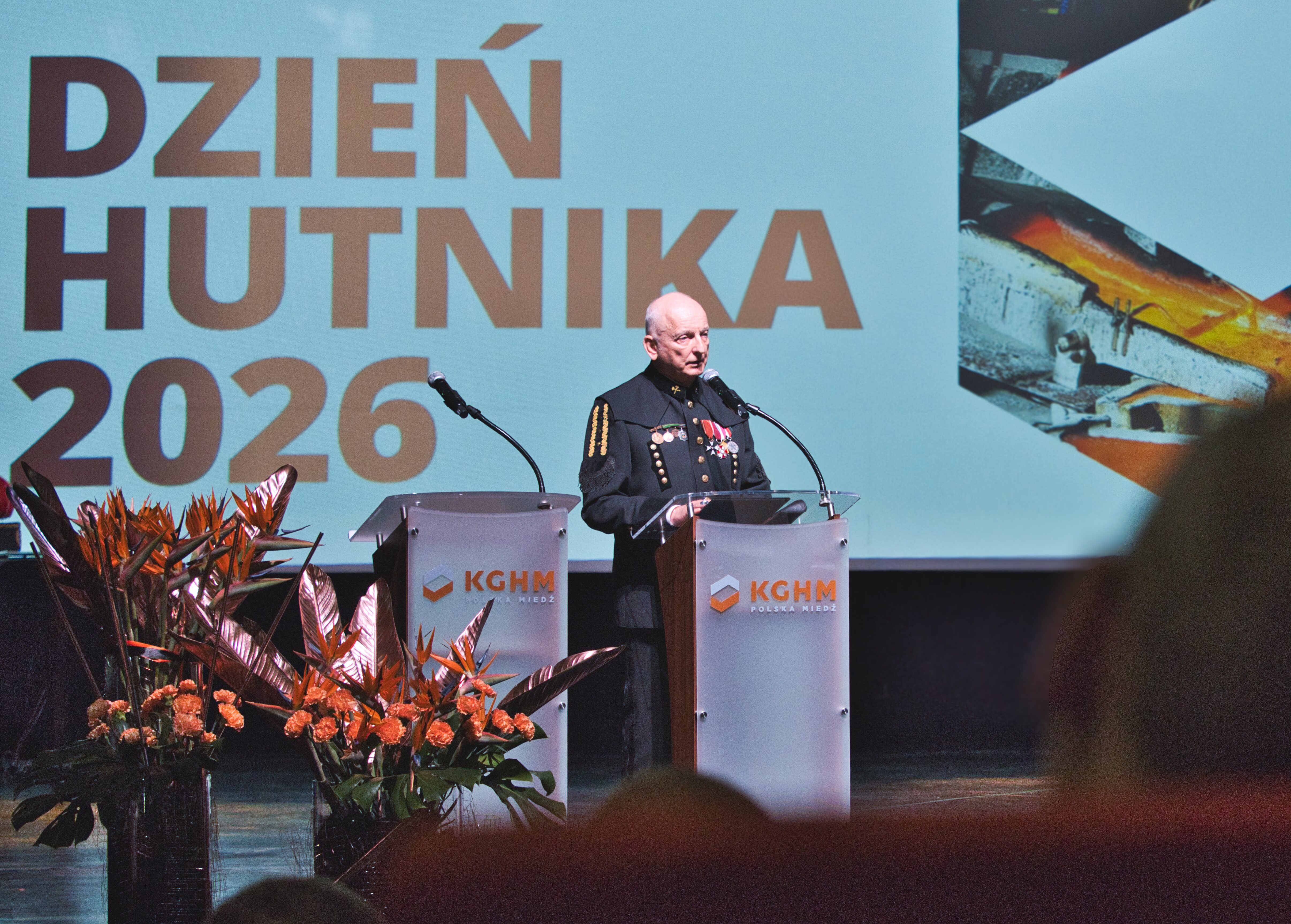
The event was also attended by Grzegorz Wrona, Undersecretary of State at the Ministry of State Assets, who emphasised:
‘Successive generations of smelter workers – over 3,600 people – who are making history at KGHM’s three smelters, are proving that they can master the elements. This story, which began in 1957 and continues to this day, is the story of people who are changing the world. I hope you feel proud that you are making a difference in a changing world – because there would be no modern Europe or world without copper. I wish you good health, a safe working environment and satisfaction. God bless!’
65 years of shared history
KGHM grew out of a project that began with the discovery of a copper ore deposit in Lower Silesia in 1957. Developing it required overcoming many obstacles. The challenges were due, among other things, to the great depth of the deposit, water ingress, high rock temperatures and the susceptibility of the rock mass to rock bursts. The key decisions were taken at the end of 1960 and beginning of 1961. In January 1960, the state-owned enterprise ‘Zakłady Górnicze Lubin w budowie’ was established. It drew up the plans and design for the first mining facility. On 1 May 1961, the enterprise was reorganised into the ‘Kombinat Górniczo-Hutniczy Miedzi w budowie’, which is regarded as the symbolic beginning of KGHM’s history.
Polish Copper – a global force
KGHM is the largest mined copper producer in Europe and a member of the elite group of 10 largest copper producers in the world. According to the World Silver Survey 2026, the company is also the world’s second-largest silver producer. The company is an integrated copper producer with its own mineral resources, mines, ore processing plants and smelters, producing copper in the form of both cathodes and copper rod.
More than 3,600 metallurgists are employed at the three smelters owned by KGHM. The facilities in Głogów, Legnica and Orsk (Cedynia Copper Smelter – Rolling Mill) utilise a variety of technological processes, which enables the company to diversify its production and strengthens its competitiveness amongst the world’s leading metallurgical firms. Furthermore, KGHM’s smelters hold the prestigious Copper Mark certification, which attests to their efficient copper smelting operations that meet the highest global standards.
The smelter workers continue to celebrate
Today’s main celebrations of Smelter Worker’s Day will conclude with a traditional inn dinner and feast (comber). A mass for smelter workers and their families will be celebrated on Sunday 10 May at 12.30 p.m. in the Collegiate Church in Głogów. Since 2024, the holiday has been included on the National List of Intangible Cultural Heritage.